
All blogs
26.11.2026
Travel & leisure
Istria: A peninsula of contrasts, culture and coastal living
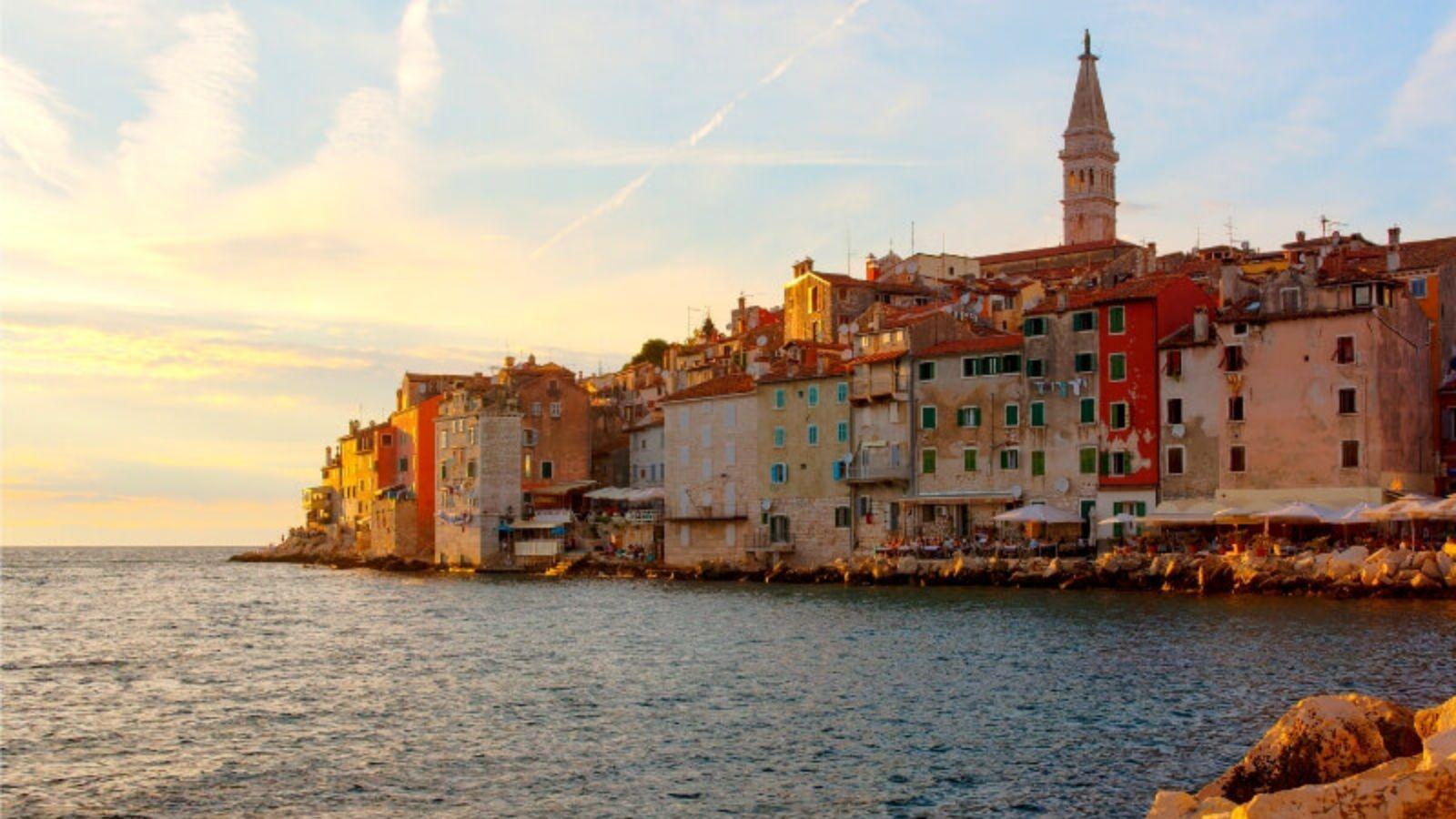
On Croatia’s western coast, Istria brings together the Adriatic, historic towns, vineyards and a distinctive cultural heritage. Its landscapes shift from lively waterfronts to quiet hilltop villages, offering a way of life shaped by both the coast and the countryside.
Across the peninsula, coastal cities, fishing harbours and hilltop villages each reveal a different expression of Istrian life. Pula preserves a remarkable Roman legacy; Rovinj is closely connected to its harbour and historic centre; and Poreč combines coastal life with centuries of history. Inland, Motovun and Grožnjan look across a greener landscape of vineyards, forests and small villages, while Novigrad offers a quieter rhythm by the sea. Together, these contrasts give Istria its distinctive character, offering a compelling balance of coastal living, cultural heritage and natural beauty that continues to attract those seeking a lasting connection with the region.
There is a particular pleasure in discovering Istria without rushing. A morning might begin with a walk beside the sea in Rovinj, continue over lunch among the hills, and end in a small harbour town as the light fades over the water.
The region’s character is also expressed through its food and local traditions. Seafood and coastal dining sit alongside inland wines, olive oil, seasonal produce and truffles. Roman, Venetian and Central European influences can be seen in the architecture and cultural heritage of its towns, while Croatian and Italian are both recognised as official languages in the region.
Located on Croatia’s northern Adriatic coast, Istria is within reach of several European countries and cultures. Yet the peninsula has a strong identity of its own, shaped by its history, cuisine and varied landscapes. Its compact scale makes it possible to experience the coast, countryside and historic towns during a single stay, while each place retains its own pace and character.
For those considering a home in Istria, this variety offers a choice of settings: an apartment in a historic coastal town, a contemporary home near the sea or a private residence among the inland hills. The region’s appeal extends beyond the summer months, with established towns and local communities giving many areas a life of their own throughout the year.
“Istria’s appeal lies in the variety of lifestyles it offers within a relatively small region. Buyers can choose between the energy of the coast, the character of historic towns and the privacy of the countryside. Understanding the differences between these locations is essential when helping someone find the right home.”
- Ivan Kovačić, Managing Director, Remington Real Estate | Christie’s International Real Estate Croatia
For those discovering Croatia beyond its best-known summer destinations, Istria deserves a closer look.
A region best enjoyed through its food and landscape
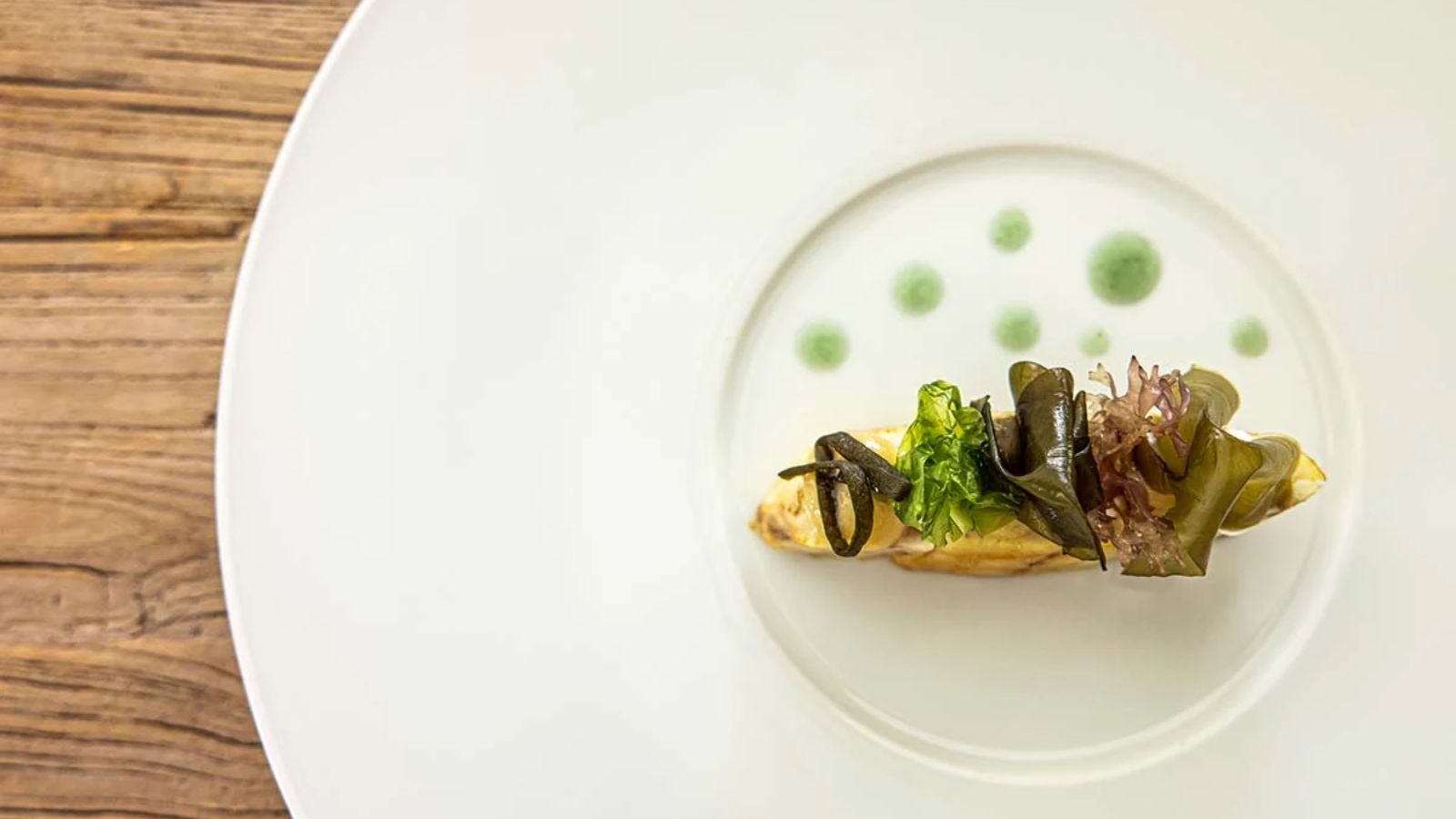
Istria’s culinary culture is closely connected to its landscape. The coast brings fresh seafood and harbour-side dining; inland, olive oil, wine, seasonal produce and truffles reflect the agricultural character of the peninsula.
The region’s dining scene ranges from traditional local cooking to contemporary tasting menus. The 2026 MICHELIN Guide recognises four Istrian restaurants with stars: Agli Amici Rovinj, awarded two stars, and Monte, Cap Aureo and Harry’s Piccolo Poreč, each awarded one.
That variety makes a meal part of the experience of moving through the region. A day might lead from a coastal market to an inland winery, or from a long lunch in a hill town to an evening by the sea.
The landscape encourages the same kind of discovery. Cycling routes, walking paths, vineyards and quiet country roads connect places that each have their own pace and character. Istria rewards those who take time to explore it.
Rovinj: The romance of the Adriatic
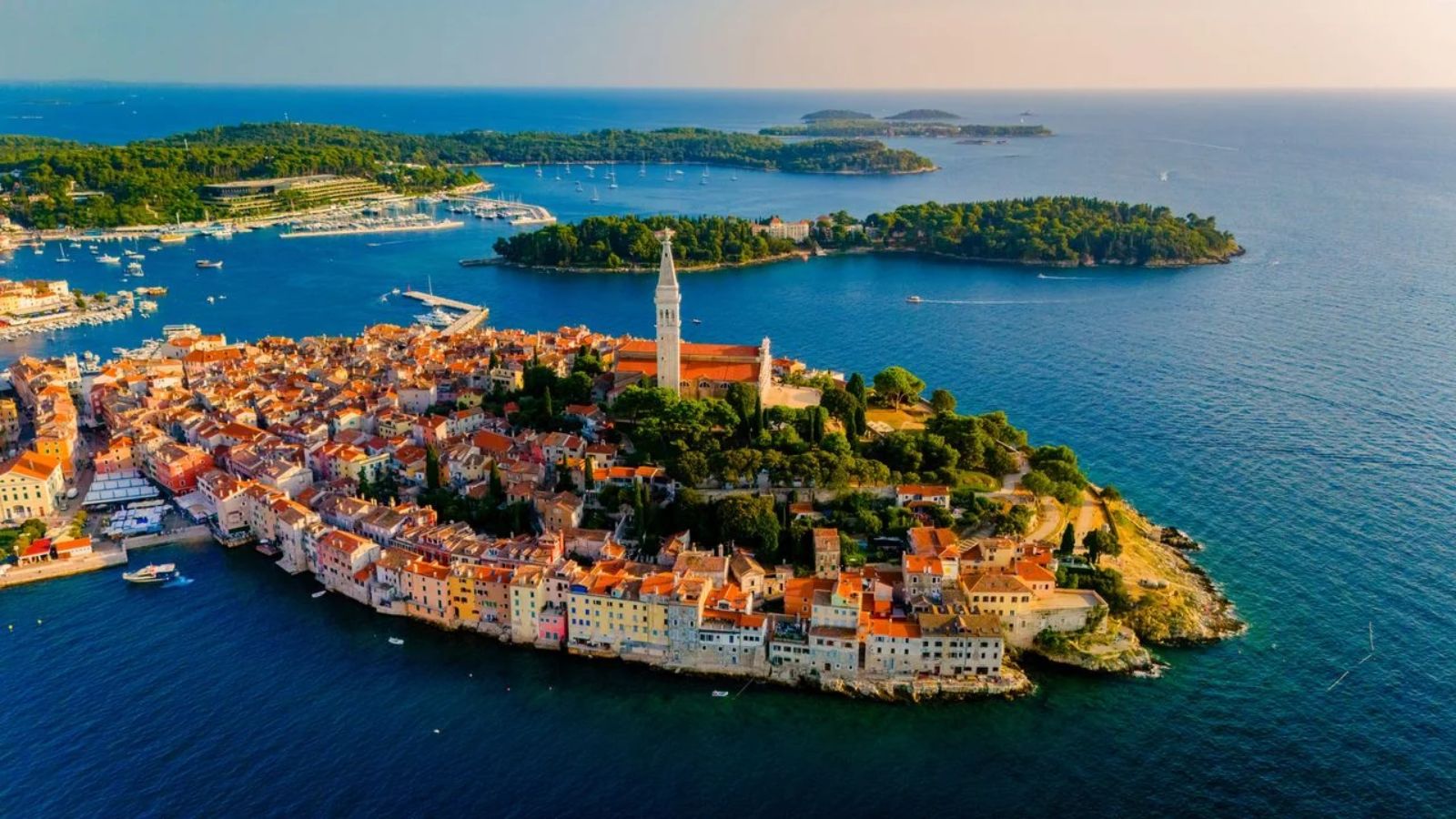
Rovinj is one of the Adriatic’s most recognisable towns, with pastel façades, narrow lanes and a harbour shaped by its long connection to the sea. The old town rises towards the Church of St Euphemia, while cafés, galleries and restaurants bring life to its streets.
Beyond the historic centre, wooded paths, small coves and the protected landscape of Zlatni Rt offer space to enjoy the outdoors. In quieter months, the pace slows, revealing a more unhurried side of Rovinj, with long lunches and evening walks by the sea.
Pula: Culture under the open sky
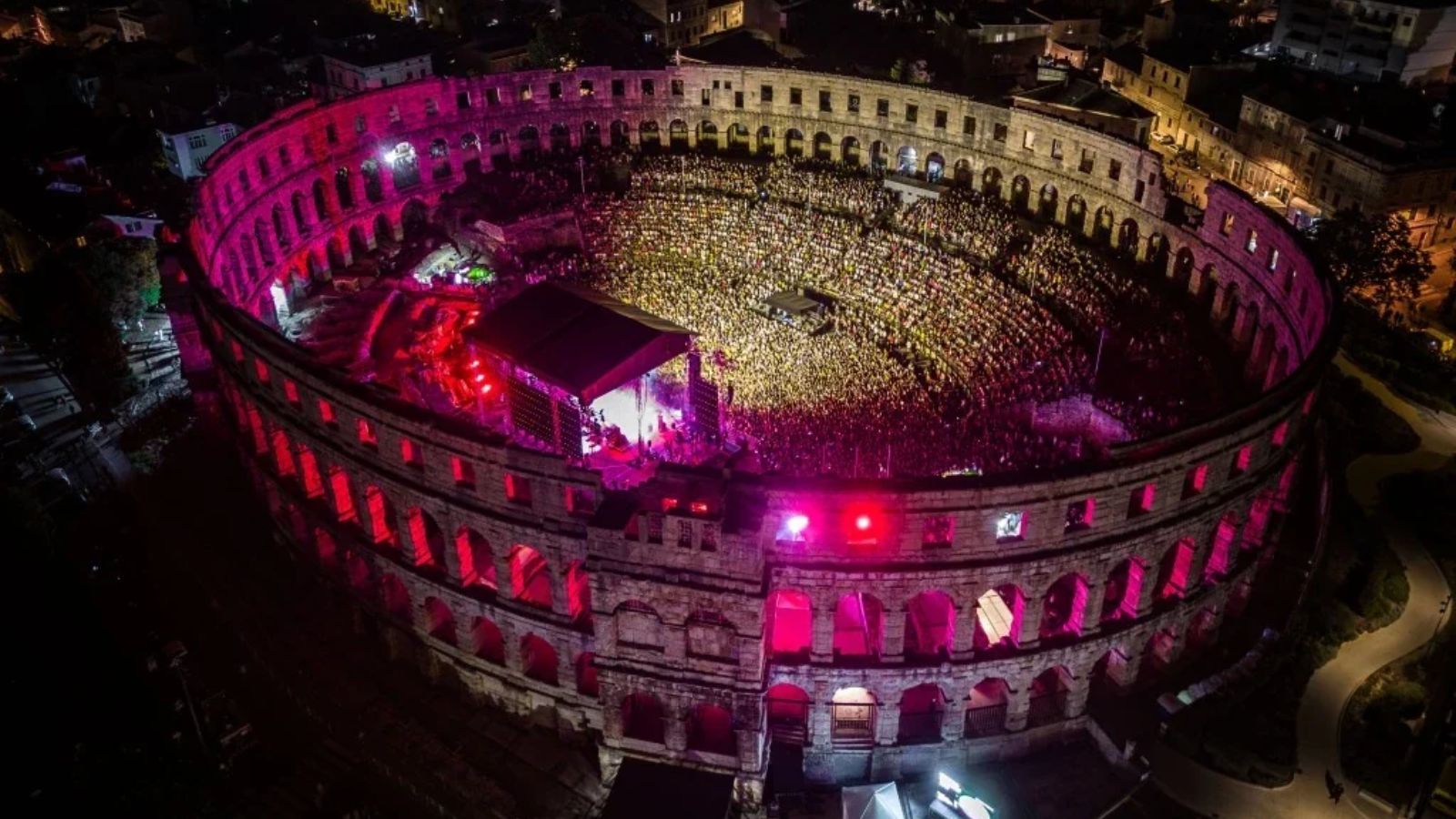
At Istria’s southern tip, Pula brings together everyday city life and a remarkable historic setting. The Roman Arena remains its most striking landmark, now hosting film screenings, concerts and other cultural events.
The Pula Film Festival is one of the city’s best-known occasions. Concerts, exhibitions, local celebrations and seasonal programmes continue throughout the year, with dates changing annually. The official event calendar offers the latest listings.
Cafés, markets and galleries sit alongside Pula’s historic sights, giving the city the character of a lively regional centre with a strong local identity.
Poreč and the arrival of Pical
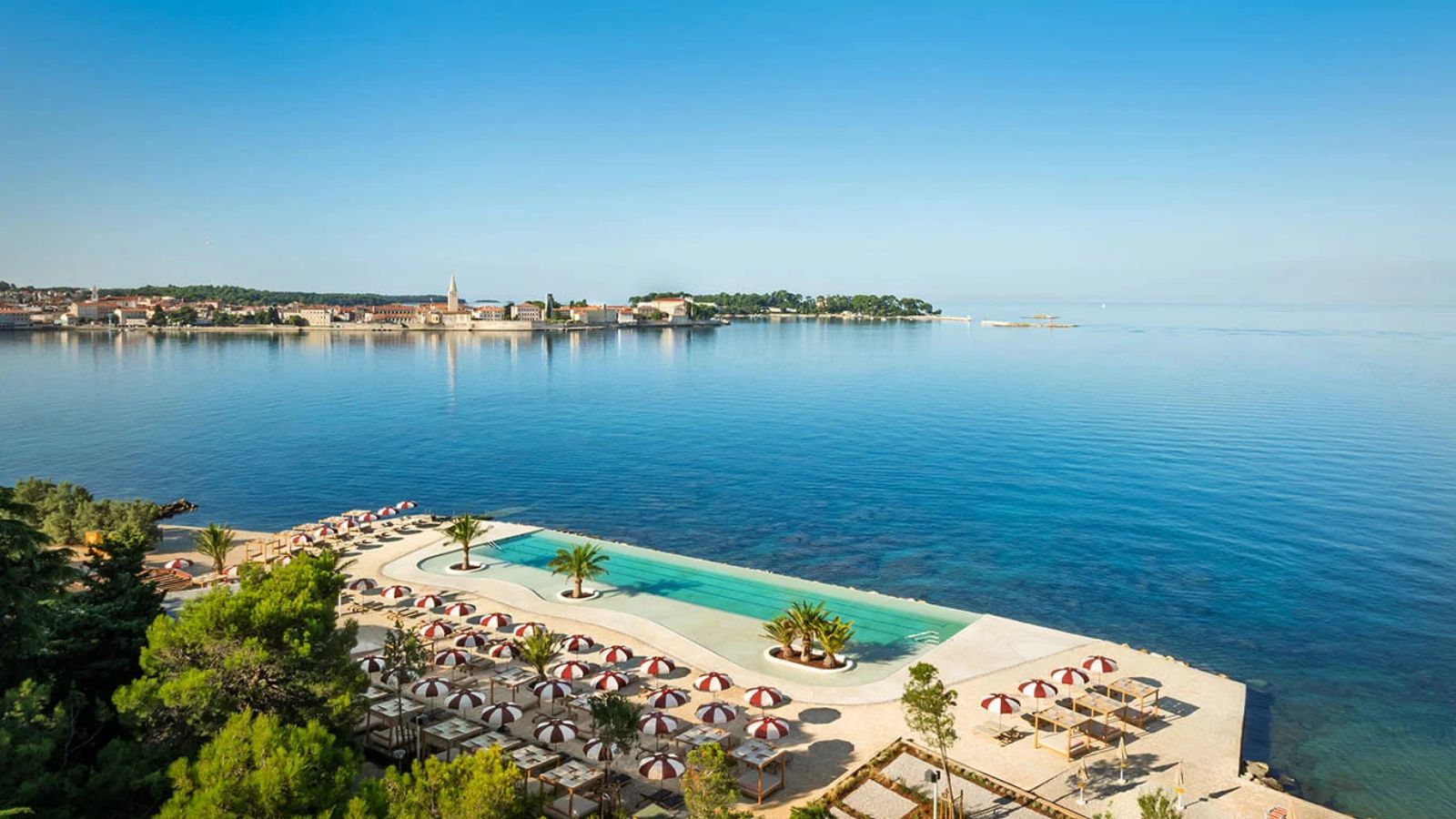
Poreč has long been one of Istria’s established coastal towns, known for its historic centre and the Euphrasian Basilica. The opening of Pical Resort, Valamar Collection in 2026 adds a new chapter to the town’s hospitality offering.
Located beside the sea and close to the historic centre, the resort brings a new year-round dimension to Poreč. Its arrival reflects Istria’s broader development, as established towns continue to invest in hospitality, public spaces and contemporary experiences.
For visitors, Pical offers another reason to discover Poreč beyond the familiar summer season and adds to the region’s evolving coastal lifestyle.
Grožnjan: An artistic spirit among the hills
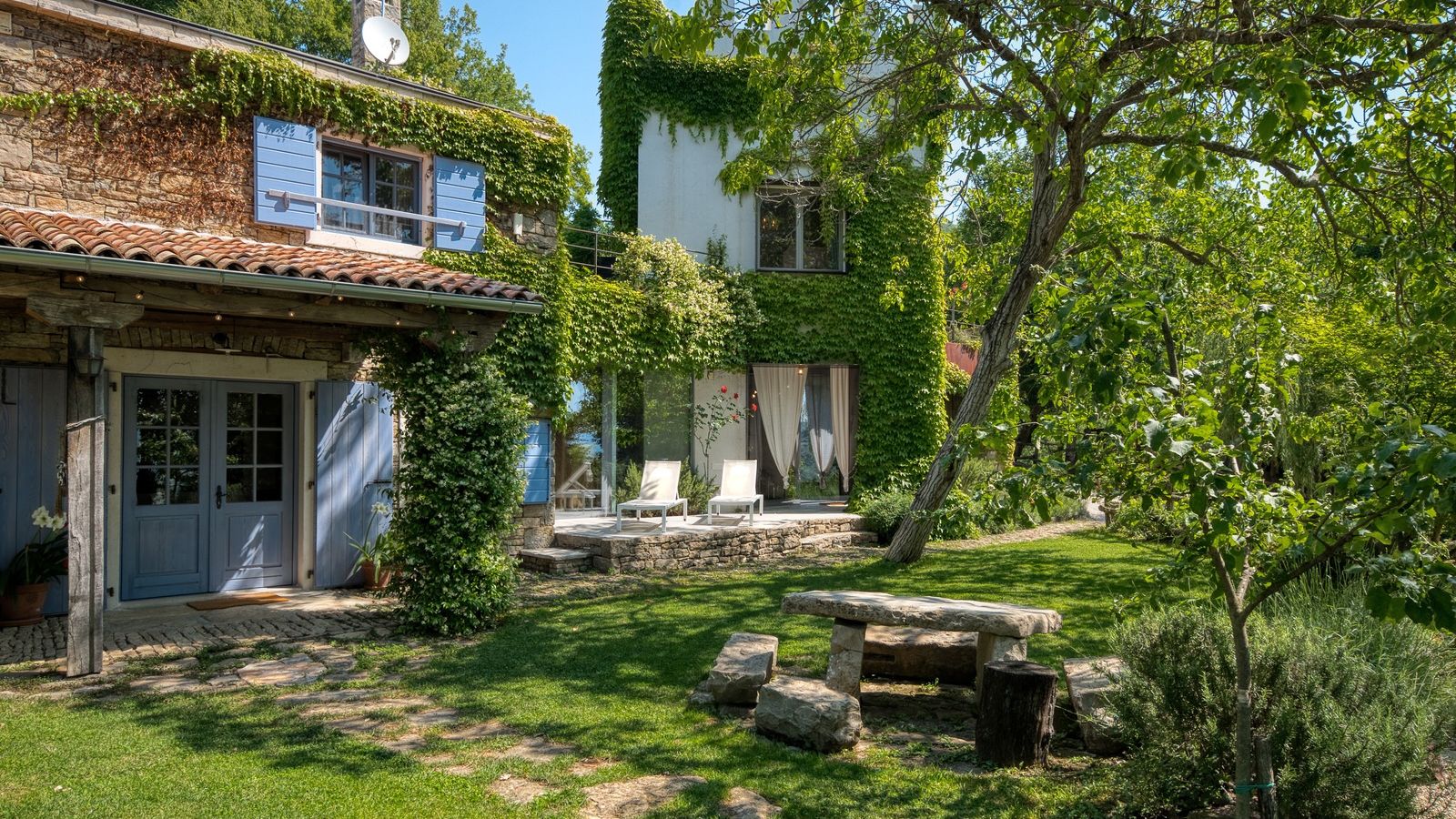
Exclusive estate in Istria with two residences and development potential
Perched above the Mirna Valley, Grožnjan is a small hilltop town with a distinctly creative character. Stone lanes lead past galleries, artists’ studios and intimate squares, while views stretch across the surrounding countryside.
In summer, music and cultural events bring added energy to the town. At other times of year, Grožnjan offers a quieter experience of inland Istria, where the landscape and historic setting set the pace.
Motovun: A hilltop above the Mirna Valley
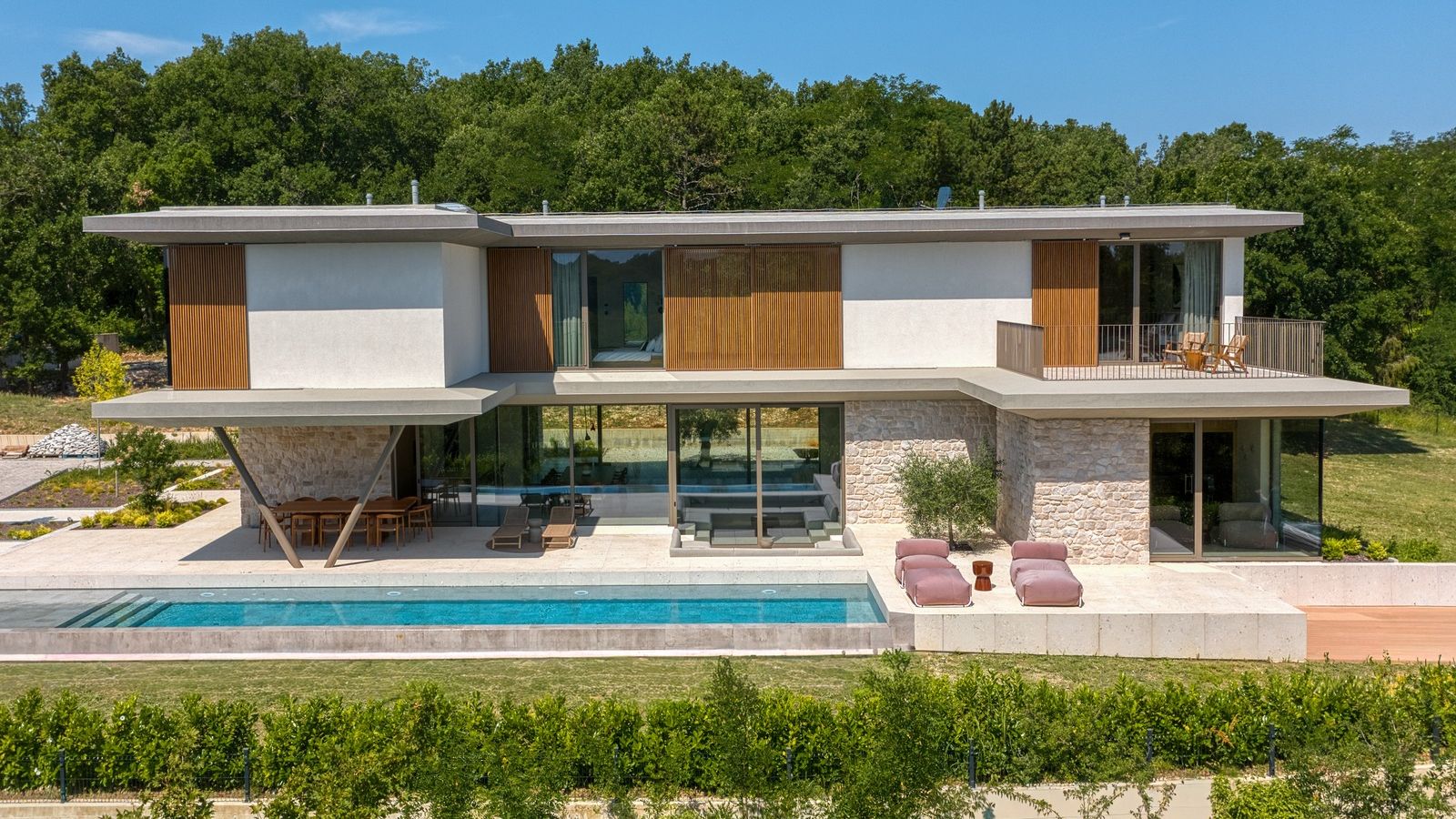
Contemporary villa with heated pool and sauna in a peaceful setting - Motovun
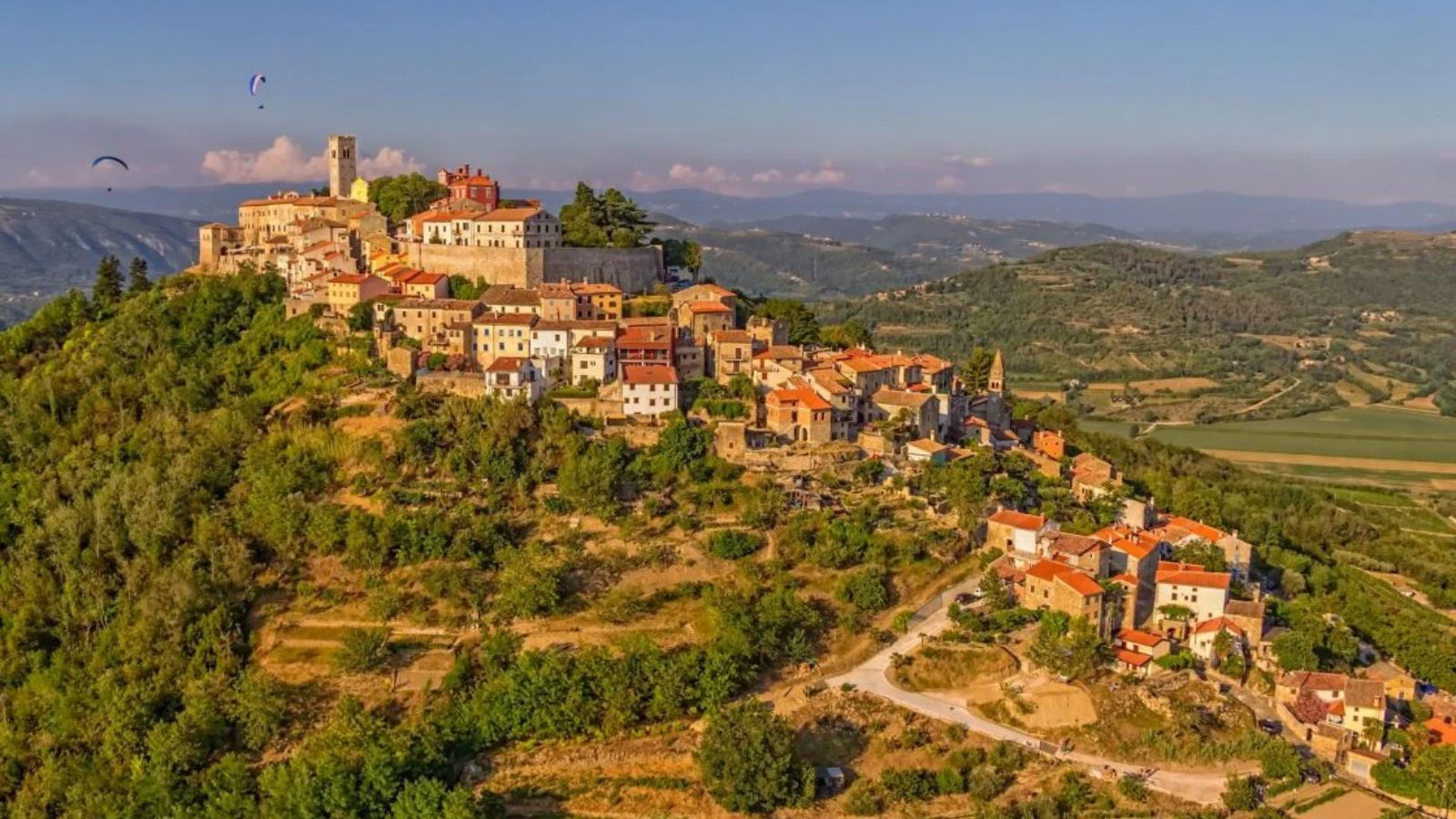
Motovun’s medieval walls and stone streets look out across the Mirna Valley, vineyards and wooded hills. The setting gives the town a strong sense of place and makes the journey through central Istria part of the experience.
The surrounding countryside is closely associated with truffles and local wine. Here, meals, walking routes and visits to nearby villages offer a slower rhythm than the coast, while the Adriatic remains within reach.
Novigrad: A quieter rhythm by the sea
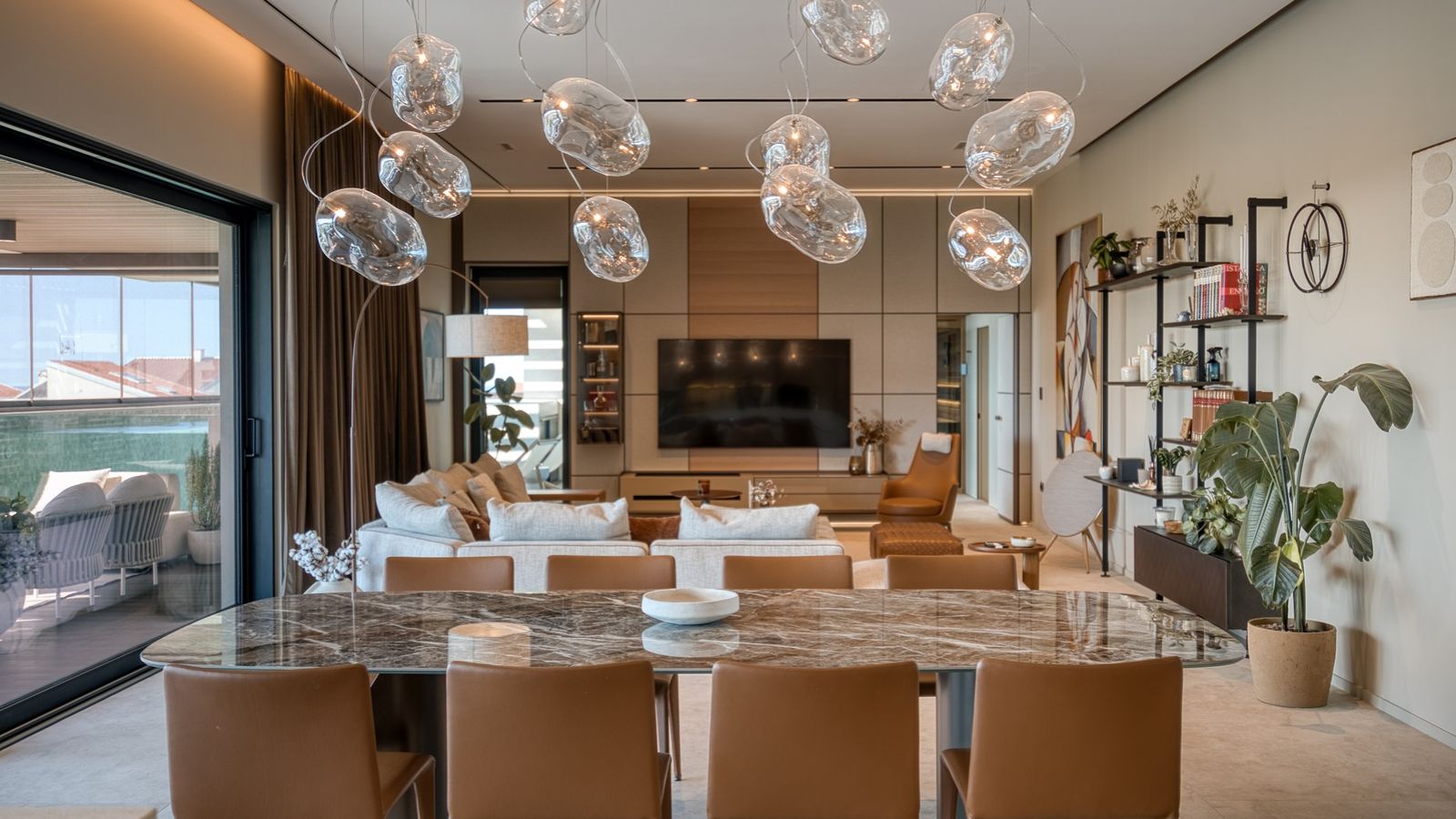
The art of Adriatic living - An exceptional penthouse in Novigrad
Novigrad combines a compact historic centre with the easy rhythm of a coastal town. Its harbour, waterfront promenade and small squares invite unhurried walks, while cafés and restaurants bring the town to life throughout the year.
The surrounding area offers beaches, vineyards and countryside, making Novigrad an appealing base for exploring northern Istria. Its character is relaxed and distinctly local, with the sea always close at hand.
Istria and Kvarner: Two Adriatic regions, one connected experience
Istria’s relationship with Kvarner adds another dimension to life in northern Croatia. The two regions sit within reach of one another by road, yet each has a distinct character. Istria’s hill towns, vineyards and western coastline complement Kvarner’s islands, mountain scenery and historic Riviera towns.
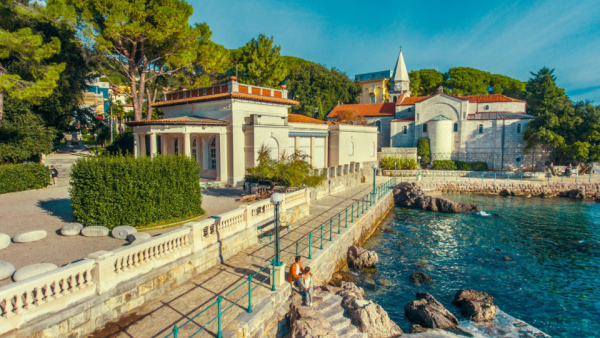
Opatija is a natural point of connection. Set between the sea and Mount Učka, it offers access to Kvarner while remaining well placed for exploring the Istrian peninsula. For homeowners who value variety, the proximity of the two regions means that a single base can open the way to different landscapes, towns and experiences.
Not just a summer destination
Istria’s appeal changes with the seasons. Spring brings flowering countryside and comfortable days for exploring. Summer belongs to the sea and long evenings outdoors. Autumn draws attention inland, when local produce and food traditions take centre stage. In winter, the towns become quieter and the region’s everyday character is easier to experience.
This seasonal rhythm makes Istria appealing to those seeking more than a place to visit once a year. Coastal apartments, countryside homes and villas near historic towns offer different ways to make the region part of everyday life.
For international families and homeowners, choosing the right location means understanding how each place feels beyond the holiday season: its access, services, surroundings and connection to the wider region.
A home in Istria: A lifestyle beyond the property
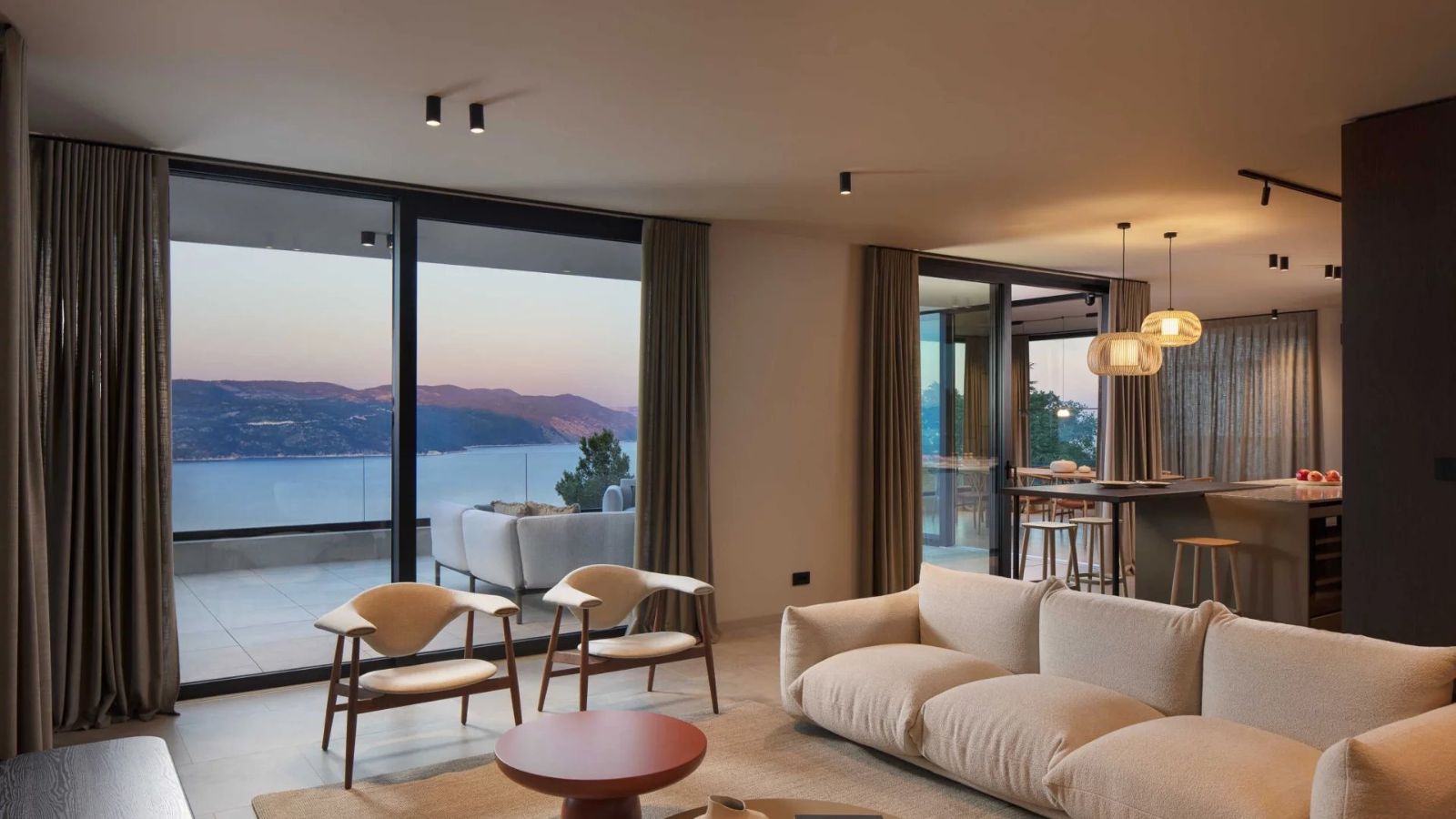
Villa with exquisite interior, wellness and sea views - Labin
The appeal of Istria’s residential market begins with the character of the region itself. Coastal apartments, contemporary villas and countryside homes each offer a different way to experience the peninsula.
Some buyers are drawn to the atmosphere of Rovinj or the quieter rhythm of Novigrad. Others prefer the privacy of the countryside, the historic character of a hill town or the convenience of being near Poreč or Pula.
The setting matters as much as the home. Its relationship with the town, the surrounding landscape, local services and the wider region all shape how a property can be enjoyed throughout the year.
For international buyers, informed local guidance is an important part of understanding these differences and finding a home that suits their plans.
Discover Istria, Discover Croatia
Istria may not be the first name that comes to mind when imagining a home on the Mediterranean. For those who know it, that is part of its appeal.
It offers the Adriatic alongside historic hill towns, a vibrant food culture and landscapes that change with the seasons. From the energy of Rovinj and Pula to the quieter character of Grožnjan, Motovun and Novigrad, Istria offers many different ways to experience life in Croatia.
Perhaps its greatest attraction is the variety found within a relatively small region.
For those looking for a home that offers more than a summer address, Istria is a place worth discovering.
A closer look at Istria
What is Istria known for?
Istria is known for its Adriatic coastline, historic towns, hilltop villages, vineyards, olive oil, truffles and diverse cultural heritage.
What are some of the best places to visit in Istria?
Rovinj, Pula, Poreč and Novigrad are among the best-known coastal destinations. Inland, Motovun and Grožnjan offer historic settings, countryside views and a slower pace.
What are some things to do in Istria, Croatia?
Visitors can explore historic centres and Roman landmarks, walk along the coast, visit hilltop towns, enjoy local food and wine, and discover vineyards and countryside routes.
Is Istria a good place to buy real estate in Croatia?
Istria offers a range of settings, from coastal towns and contemporary residences to homes in historic villages and the countryside. Buyers should consider the property’s location, condition, legal status and year-round access when comparing options.
November 26, 2026
Share
Related posts
Travel & leisure
A weekend guide to Poreč: The best places, flavours & experiences
Remington insights
Travel & leisure
The Istrian lifestyle: Hilltop towns, olive groves and life by the Adriatic
Travel & leisure