All blogs
20.08.2026
-thumb.jpg)
Remington insights
Travel & leisure
The Istrian lifestyle: Hilltop towns, olive groves and life by the Adriatic
The Istrian lifestyle attracts buyers who value character, privacy and a close relationship with landscape. Here, historic towns remain part of daily life. Vineyards, olive groves and forests shape the view beyond their stone walls. The coast is always within reach.
Istria rewards time and curiosity. Its appeal rarely depends on one landmark or one season. It emerges through a morning market, a quiet village road and lunch at a family-run konoba. It can also be found in contemporary restaurants, established wineries and carefully restored homes.
Rovinj, Pula, Poreč, Motovun, Grožnjan and Labin each offer a different rhythm. Together, they make Istria Croatia’s most layered peninsula. The region suits year-round living, an extended second-home stay or an international relocation.
Its location adds practical value. Slovenia, Italy and Austria are easily reached by road. Pula, Trieste and Ljubljana airports provide several travel options. This balance of atmosphere and access has strengthened international interest in property in Istria.
Why the Istrian lifestyle appeals to international buyers
Many buyers begin their Croatian search with a clear image of the Adriatic. They imagine sea views, harbour towns and long summer evenings. After spending time in Istria, their priorities often become more nuanced.
Beach distance still matters, but it is no longer the only consideration. Buyers start asking about winter restaurants, local markets, healthcare and airport access. They consider privacy, land quality and the rhythm of nearby communities.
This shift reveals Istria’s central strength. The peninsula offers coastal living without depending entirely on the coast. Inland towns, working vineyards and year-round communities give the region depth beyond its summer identity.
Istria’s culture reflects Venetian, Austro-Hungarian, Slavic and Mediterranean influences. These layers remain visible in architecture, language and food. They also explain why the region feels familiar to many European buyers.
Life moves calmly, although Istria is not isolated. Trieste can be reached from northern Istria with relative ease. Ljubljana, Venice, Zagreb and Rijeka are also accessible by road. Journey times depend on location, traffic and border conditions.
For buyers considering buying property in Istria, this combination deserves careful attention. It supports spontaneous weekend use, longer stays and more practical ownership throughout the year.
Coastal or inland property in Istria: How the lifestyles differ
The choice between coast and countryside shapes how a property will be used. It also affects privacy, seasonality, maintenance and long-term marketability.
Coastal locations offer immediate access to the Adriatic. They also provide promenades, marinas, beaches and a wider summer restaurant scene. Rovinj and Poreč have the strongest combination of international recognition and developed amenities.
However, coastal addresses can feel busier during July and August. Parking, access and privacy require careful assessment. Historic centres may also involve renovation controls and practical limitations.
Inland Istria offers silence, space and a closer relationship with the land. Restored stone houses often include courtyards, gardens or olive groves. Elevated sites can provide long views towards vineyards or the sea.
Country properties introduce different responsibilities. Grounds, pools, stone façades and access roads require regular care. Buyers should also assess water supply, drainage, heating and year-round road access.
Some purchasers choose a middle ground. Villages near Buje, Bale or Svetvinčenat can combine privacy with reasonable coastal access. The right location may allow breakfast inland and an afternoon swim by the Adriatic.
Neither choice is inherently better. The stronger decision reflects actual habits, not an idealised holiday routine. Buyers should consider how they will live during November as carefully as during August.
The places that define Istria
Rovinj
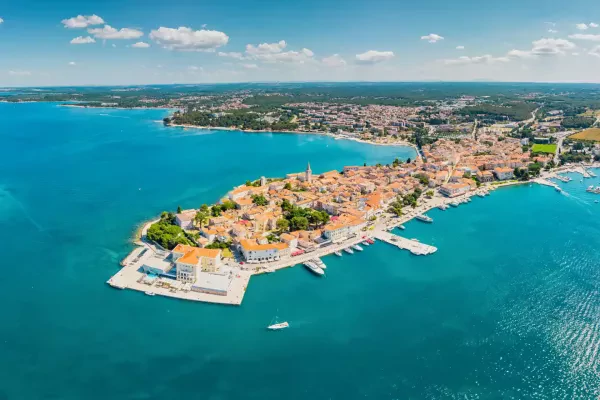
Rovinj is Istria’s most internationally recognised coastal town. Its historic centre rises from a compact peninsula beneath St Euphemia’s Church. Stone streets descend towards small squares, working harbours and the waterfront.
The town combines historic architecture with a developed hospitality and dining scene. High-quality hotels, restaurants, galleries and a marina support an international audience. Yet Rovinj retains a strong local identity beyond its most photographed streets.
.jpg)
Property supply in prime positions is naturally limited. Historic apartments require detailed legal and technical review. Villas and newer residences outside the centre can provide parking, privacy and contemporary comfort.
Rovinj suits buyers seeking a visible Adriatic address with strong lifestyle infrastructure. It also appeals to owners who value walkability and cultural energy.
.jpg)
Exclusive waterfront residence in the heart of Rovinj
Pula
Pula has a more distinctly urban rhythm than most coastal towns in Istria. Its Roman amphitheatre, Austro-Hungarian architecture and active port shape the city’s distinctive identity. A hospital, schools, shops and an international airport support convenient year-round living.
The city’s cultural calendar becomes particularly vibrant during the warmer months. The Arena and other venues host concerts, music programmes and festivals. Each year, the Pula Film Festival brings cinema into the remarkable setting of the Roman amphitheatre.
.jpg)
Cave Romane lies near Pula, within the dramatic setting of a former quarry. Internationally renowned DJs perform there alongside electronic music events and festivals. This contemporary cultural energy complements the historic character of southern Istria.
.jpg)
The property market includes apartments in historic and newer neighbourhoods, alongside family homes on the city’s outskirts. Nearby communities offer villas, larger plots and a quieter setting, with easy access to Pula and the coast.
Pula appeals to buyers seeking the Istrian lifestyle without giving up urban convenience. It particularly suits those who value culture, international accessibility and year-round amenities.
.jpg)
Elegant modern villa with pool and sea view - Pula
Poreč
Poreč offers one of the western coast’s most complete year-round propositions. The UNESCO-listed Euphrasian Basilica anchors its historic identity. Schools, healthcare, shops, sports facilities and road connections support permanent living.
.jpg)
The town is also entering a new development phase. Valamar’s Pical investment includes hospitality, conference and public recreational infrastructure. The project aims to strengthen year-round tourism and broaden local amenities.
Poreč’s residential market includes apartments, new developments and villas across the surrounding area. Some buyers prefer central walkability. Others choose nearby villages for privacy and easier access to land.
Its proximity to Slovenia and Italy increases international relevance. Poreč works particularly well for owners planning frequent road travel from Central Europe.
.jpg)
Modern fully furnished villa with pool and peaceful surroundings - Poreč
Motovun
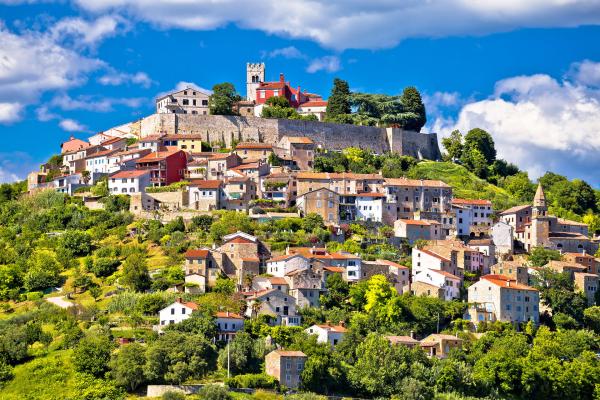
Motovun stands above the Mirna Valley at 277 metres. Its walls frame views across forests, vineyards and surrounding hills. The setting feels cinematic, yet the town’s appeal rests on more than scenery.
The nearby valley is closely associated with Istria’s white truffle tradition. Cycling routes, wineries and small restaurants extend the local experience. The surrounding countryside includes stone houses, renovated estates and properties awaiting careful restoration.
Historic buildings can carry planning and conservation considerations. Vehicle access may also be limited within older centres. Buyers should balance architectural atmosphere with daily practicality.
.jpg)
Grožnjan
Grožnjan is known for its artistic community and summer music programme. Galleries and studios occupy former workshops within the medieval town. Its elevated position creates broad views across northern Istria.
The town attracts buyers who value culture, historic fabric and a small-scale community. Available property is limited, which makes local knowledge particularly important.
Grožnjan is quieter outside the summer season. That calm can be an advantage for some owners. Others may prefer a nearby village with easier access and more year-round services.
.jpg)
Labin and eastern Istria
Labin combines a well-preserved old town with an active local community. Its position above the eastern coast opens views towards Kvarner Bay. Rabac and nearby beaches remain within easy reach.
The eastern market is less internationally exposed than Rovinj or Poreč. This can create interesting opportunities, although selection remains essential. Road access, slope, orientation and construction quality can vary considerably.
Labin appeals to buyers seeking local character and dramatic scenery. It can also suit owners who value access to Rijeka and Kvarner.
.jpg)
Best places to live in Istria for different priorities
The best address depends on how the owner intends to spend time. A location suited to short summer visits may not suit permanent residence.
- Rovinj works for buyers who prioritise atmosphere, dining and international visibility. Central properties offer walkability, while peripheral neighbourhoods provide more practical access.
- Pula offers Istria’s most comprehensive urban infrastructure. Its hospital, schools, cultural events and airport support convenient everyday living. Nearby communities provide quieter residential alternatives within easy reach of the city.
- Poreč suits households seeking established infrastructure and road connectivity. Its year-round services make it a strong option for longer stays and family use.
- Northern Istria suits buyers travelling frequently from Italy, Slovenia or Austria. Buje and nearby villages combine vineyards, gastronomy and practical access routes.
- Motovun and Grožnjan attract those seeking heritage, landscape and cultural character. These locations demand greater sensitivity to access and seasonal services.
- Labin offers an appealing balance between old-town life and the eastern coast. It remains especially relevant for buyers exploring beyond established western destinations.
A productive search should begin with lifestyle criteria. These include travel frequency, healthcare needs, preferred community size and tolerance for seasonal change. Property type should follow those decisions.
Living in Istria through all four seasons
Istria follows a seasonal rhythm, but everyday life does not disappear after summer. The experience simply becomes more local and less public.
Spring brings wild asparagus, herbs and renewed activity in the countryside. Mild days support cycling, walking and work in gardens. Restaurants and coastal towns gradually become livelier.
Summer concentrates energy along the coast. Festivals, terraces, boats and beaches define the public atmosphere. Inland evenings often remain calmer, particularly outside major destinations.
Autumn is shaped by harvests. Grapes and olives move from fields into cellars and mills. White truffle season draws attention towards Buzet, Motovun and the Mirna Valley.
.jpg)
Olive harvest
Winter is quieter and more selective. Some restaurants and hospitality businesses close temporarily. Larger towns retain essential services, while smaller communities become more intimate.
This makes one buyer question especially important: is Istria a good place to live year-round? For many owners, the answer is yes. Success depends on choosing a location with suitable infrastructure and a well-prepared home.
Year-round residents often value the quieter months most. They experience local markets without crowds and coastal walks without summer heat. Relationships with neighbours and producers also develop more naturally.
Gastronomy as part of everyday life
Istrian gastronomy is not simply an attraction for visitors. It remains closely connected to agriculture, family businesses and the seasons.
Istarska Malvazija and Teran express the peninsula’s soils and climate in different ways. Small wineries sit beside internationally recognised producers. Tastings often reveal the landscape more clearly than a formal tour.
Olive oil carries similar cultural importance. Local mills become especially active during autumn. Many residents buy directly from producers whose groves they can visit.
White and black truffles define the Mirna Valley’s culinary identity. Their season influences menus throughout northern and central Istria. Traditional pasta and simple egg dishes allow the ingredient to remain central.
.jpg)
Black truffles
The MICHELIN Guide further reflects the quality of Istria’s gastronomy, featuring restaurants such as Monte, Cap Aureo and Agli Amici in Rovinj, Damir & Ornella in Novigrad and Ribarska Koliba in Pula.
For property buyers, gastronomy offers more than pleasure. It creates year-round social infrastructure and supports the region’s international profile. It also connects new residents with local producers and communities.
Connectivity and infrastructure
Accessibility is one of Istria’s strongest advantages. Pula Airport serves the peninsula directly, with more routes during summer. Trieste, Ljubljana, Venice, Zagreb and Rijeka provide additional options.
Driving remains the most practical form of local transport. Buyers should assess journey times during both summer and winter. Congestion can affect popular coastal routes during peak periods.
Larger towns provide supermarkets, healthcare, schools and professional services. Smaller inland communities offer fewer immediate amenities. Their residents often rely on nearby towns for weekly needs.
A closer look at everyday life in Istria
What does the Istrian lifestyle feel like?
The Istrian lifestyle feels calm, connected and closely shaped by the landscape. Daily life moves between historic towns, local markets and coastal routines. Food, nature and community remain present beyond the summer season.
Is Istria a good place to live year-round?
Yes, provided the location and property suit year-round use. Pula, Poreč, Rovinj and Labin retain essential services beyond summer. Smaller inland communities offer greater privacy but require more planning for healthcare, shopping and transport.
How does life differ between coastal and inland Istria?
Coastal life offers promenades, marinas, beaches and a livelier summer atmosphere. Inland Istria provides greater privacy, space and contact with vineyards, forests and olive groves. Both lifestyles remain closely connected to the Adriatic.
Which parts of Istria suit different lifestyles?
Rovinj suits those who value walkability, dining and cultural energy. Poreč offers strong infrastructure and practical road connections. Pula provides a more urban rhythm. Motovun, Grožnjan and surrounding villages favour privacy, heritage and slower living.
How do the seasons shape life in Istria?
Spring brings outdoor activity and renewed energy across the countryside. Summer is livelier along the coast. Autumn follows grape, olive and truffle seasons. Winter is quieter, more local and often especially appealing to year-round residents.
How important are food and wine to the Istrian lifestyle?
Food and wine are part of everyday culture, not simply visitor experiences. Local markets, wineries, olive mills and family-run restaurants follow seasonal rhythms. They also help new residents connect with producers and local communities.
How accessible is Istria for international property owners?
Pula Airport serves the peninsula directly, with a broader seasonal flight schedule. Trieste, Ljubljana, Venice, Zagreb and Rijeka offer additional connections. Northern and western Istria are especially practical for owners travelling by road from Central Europe.
Is the Istrian lifestyle right for you?
Istria suits buyers who value authenticity without isolation. It offers culture, gastronomy and nature within a manageable European setting. The coast remains close, but it does not define every day.
The region particularly suits extended second-home use and year-round living. It also works for international buyers seeking easier road access from Central Europe.
Those prioritising nightlife or immediate beach access may prefer selected coastal zones. Buyers seeking privacy and land may find greater alignment inland.
The strongest decision begins with time spent in several micro-locations. Morning routines, winter services and road access reveal more than a summer viewing. Local expertise then helps translate preference into a focused search.
The Istrian lifestyle holds lasting appeal because it remains grounded in real places and working communities. Its value lies in balance. Heritage meets contemporary comfort, while countryside and coast remain closely connected.
Remington Real Estate, the exclusive Christie’s International Real Estate affiliate in Croatia, advises buyers throughout Istria and the Croatian coast. The team combines local market knowledge with international reach and discreet representation.
Explore our curated selection of properties in Istria or contact our team to discuss a tailored search.
August 20, 2026
Share
-list_thumb.jpg)