
All blogs
29.10.2026

Media
Zagreb introduces the maximum property tax rate: Will it encourage long-term rentals? - Ivan Kovačić for Forbes Croatia
From 2027, Zagreb will increase its property tax from €5 to €8 per square metre, reaching the maximum rate permitted by law. The decision raises the question of whether a higher tax burden could encourage owners of vacant apartments to rent out their properties and increase the supply of homes available for long-term rental.
Speaking to Forbes Croatia, Ivan Kovačić, managing director of Remington Real Estate, the exclusive affiliate of Christie’s International Real Estate in Croatia, discusses the implications of this decision. His analysis focuses on the actual financial impact of the tax, the decisions made by property owners and the importance of responsible management of revenues intended for urban development.
What does the tax increase really mean for property owners?
A 60% increase in the property tax rate may seem substantial, but the actual figures present a different picture.
For a taxable apartment measuring 80 m², the annual tax liability will rise from €400 to €640. This represents an increase of €240 per year, or €20 per month.
For an apartment with a market value of €300,000, the additional cost is relatively modest compared with the value of the property. It is important to note that the tax is calculated based on the property's floor area rather than its market value.
“A 60% tax increase may seem significant at first glance, but when we translate it into actual figures, we are talking about an additional €20 per month for an 80-square-metre apartment. It is difficult to expect such a cost to substantially change the decision of an owner who has already chosen to leave their property vacant. If we want to encourage changes in the market, we need to consider the actual financial impact of tax measures, rather than focusing solely on the tax rate,” Kovačić points out.
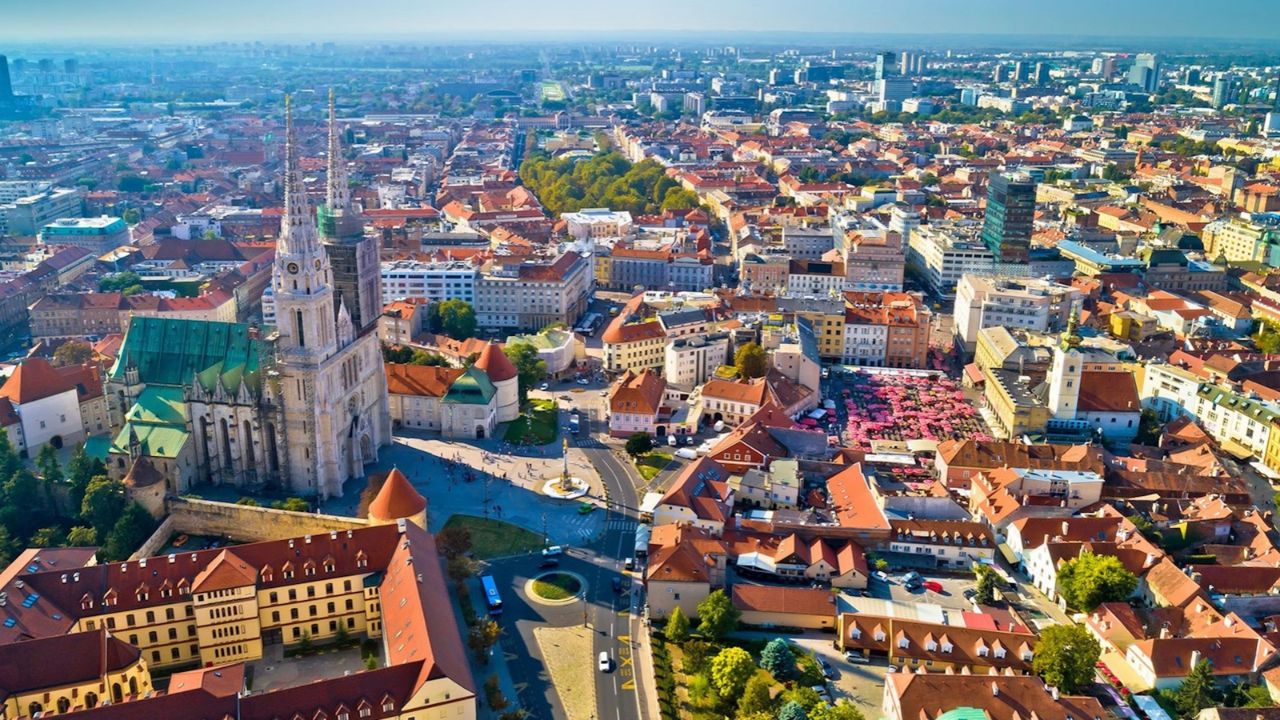
Could higher property taxes increase the supply of rental homes?
An owner who has decided to leave a property vacant has already forgone potential rental income. If that income was not sufficient to change their decision, it is difficult to expect an additional €20 per month to have a decisive influence.
An apartment rented out as a permanent home for at least ten months during the tax year is exempt from property tax. In the example above, the owner could therefore avoid the entire annual tax liability of €640.
However, the decision to rent out a property involves other considerations. The risk of non-payment, maintenance costs, property availability and the owner's personal plans may carry greater weight than the tax burden itself.
The tax increase may therefore influence owners who are already considering long-term rentals, but it is unlikely to significantly increase the housing supply or lead to lower property sale prices on its own.
Austrian examples illustrate a different approach
A comparison with Austrian cities shows how much higher the tax burden on vacant properties can be.
In Salzburg, the annual levy on an 80 m² apartment that remains vacant throughout the year is €1,000, rising to €2,000 for newly built properties. In Innsbruck, the annual levy for a standard existing apartment of the same size in the central cadastral district is approximately €4,378.
These are specific levies on properties left vacant for extended periods, subject to certain exemptions, and therefore differ from Zagreb's property tax system.
“When we look at examples from Austrian cities, we can see that the tax burden on vacant properties can be several times higher than in Zagreb. This does not mean that such models should automatically be adopted, but it demonstrates how important it is to align tax measures with the objectives we want to achieve. If the goal is to increase the supply of homes available for long-term rental, the key question is whether the existing tax is substantial enough to genuinely influence property owners' decisions,” Kovačić explains.
Property tax and the financing of urban development
Zagreb's decision also raises the question of how to finance urban development and maintenance over the long term.
Income tax is an important source of local government revenue, while new construction generates one-off municipal infrastructure contributions. At the same time, existing infrastructure requires ongoing maintenance, for which municipal service charges are already in place.
Where a city relies heavily on infrastructure contributions, new construction generates immediate revenue. By contrast, the benefits of improving existing streets, parks and other public spaces are not reflected as quickly in the municipal budget.
More stable annual revenues could help ease this pressure and allow contributions from new developments to be directed more closely towards the infrastructure those projects actually require.
The quality of the urban environment influences property values
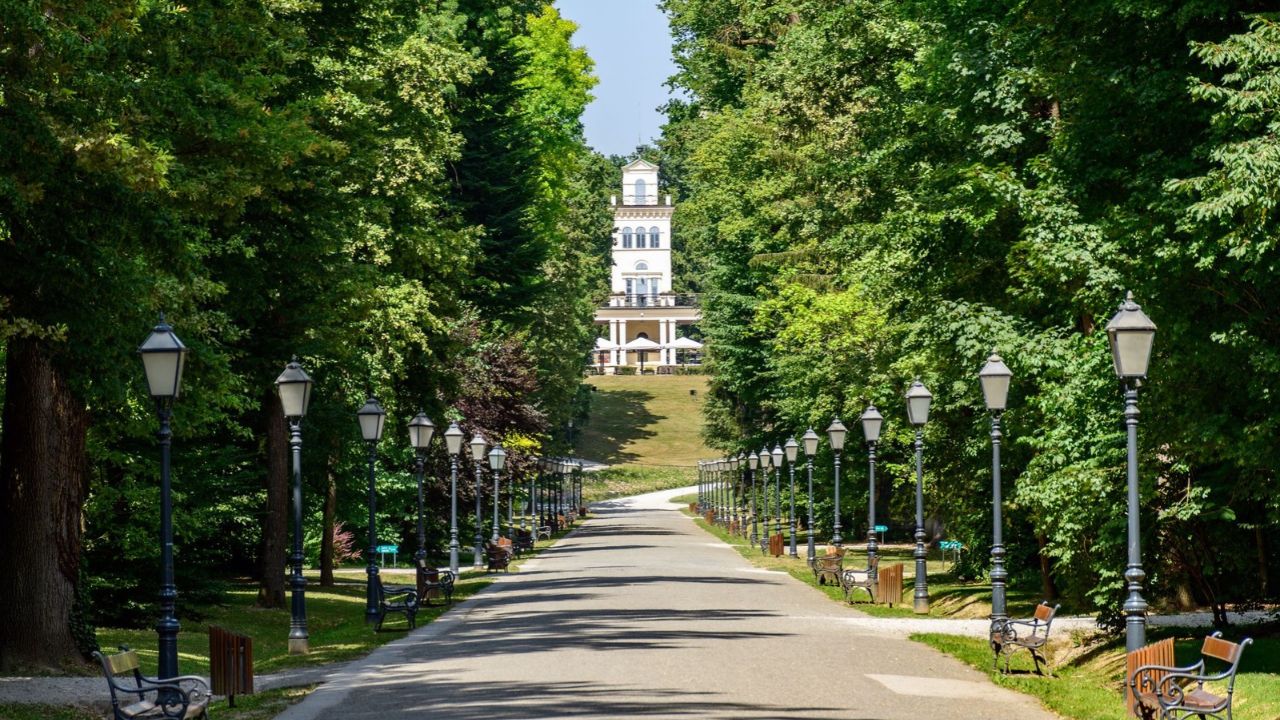
The value of a property depends on more than its size, location or construction quality. Its immediate surroundings also contribute significantly to its appeal.
Well-maintained parks, quality roads, promenades and functional public spaces influence everyday quality of life and, indirectly, property values.
“The value of a property is determined not only by its size, location and construction quality, but also by the environment in which it is situated. Well-maintained parks, quality transport infrastructure and functional public spaces directly affect quality of life and indirectly influence property values. That is why it is important for residents to see tangible results from higher tax contributions. Higher taxes alone do not mean a better city or more valuable properties unless the revenues collected are managed responsibly and transparently,” Kovačić emphasises.
Higher tax revenues therefore do not automatically guarantee a better urban environment. What matters is how the funds collected are used and whether they deliver visible improvements to residents' everyday lives.
Will Zagreb set an example for other cities?
By increasing its property tax rate, Zagreb joins a small group of Croatian cities and municipalities applying the maximum rate permitted by law.
According to data for 2026, approximately 2% of local government units apply the statutory maximum across their entire territory, while 22.5% maintain the minimum rate of €0.60 per square metre.
It remains to be seen whether other cities will follow Zagreb's example and whether the additional revenue will deliver visible improvements to the quality of the urban environment.
The actual impact of the tax on the property market will need to be assessed through changes in the supply of long-term rental homes, rental prices and property sale prices.
Zagreb's decision therefore raises two related but distinct questions: to what extent can taxation influence property owners' decisions, and can higher revenues contribute to better urban development?
As the original article concludes, collecting more tax revenue and addressing part of the housing problem are not the same thing.
Read the full article at the following link: Forbes Croatia.
October 29, 2026
Share
Related posts

Media
Croatia's new real estate brokerage law: what it actually changes, and what it doesn't - Ivan Kovačić for Forbes Croatia

Media
From Tina Turner to Christie's International Real Estate: Ivona Brnelić's journey

Media