
All blogs
11.09.2026
Remington insights
Croatia digital nomad visa: Why Rijeka deserves a closer look
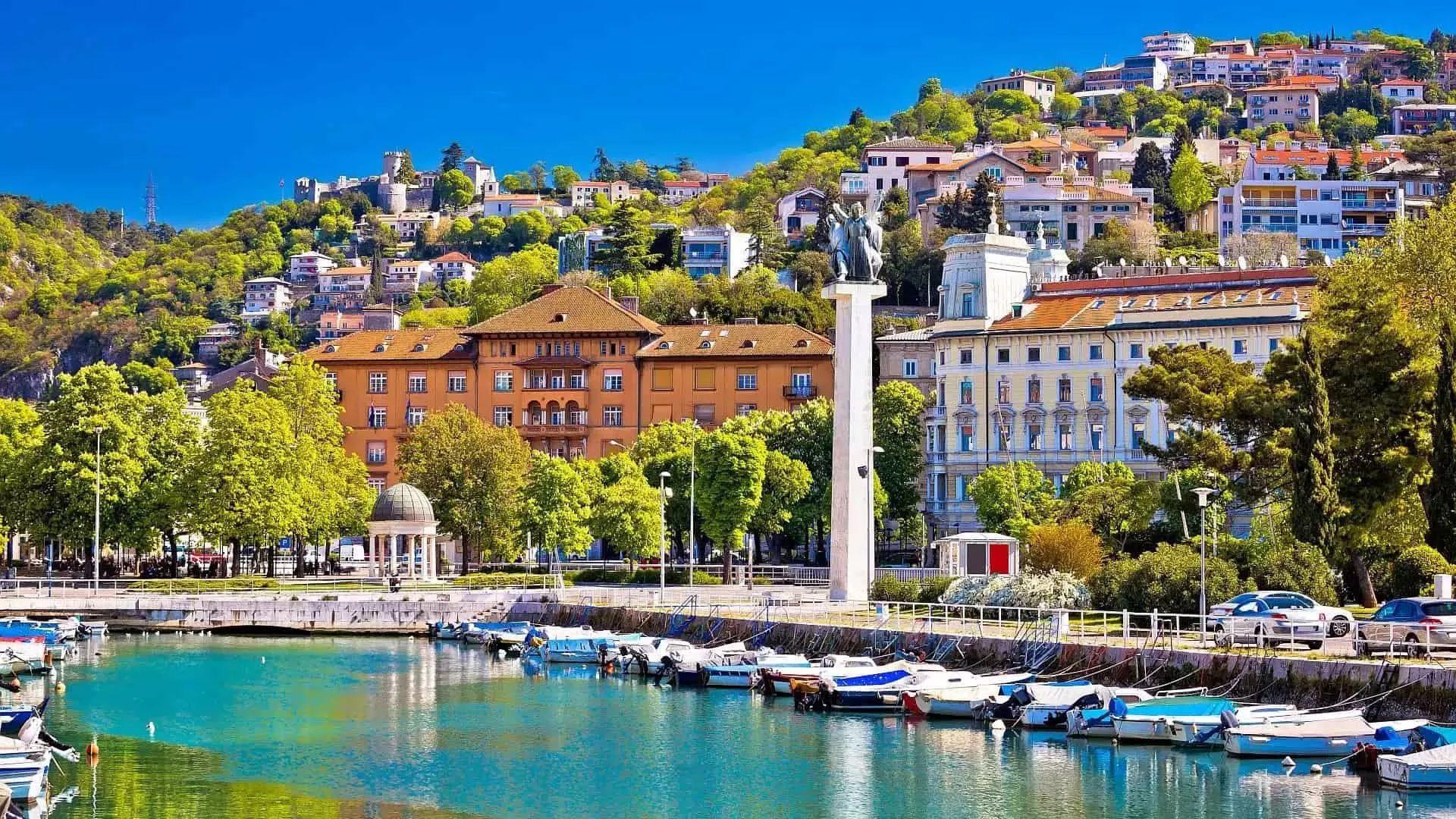
Rijeka is a distinctive Adriatic city shaped by its port, layered Central European heritage and a rhythm that continues well beyond the summer season. Its waterfront setting, everyday services, cultural life and strong links to the wider Kvarner region create a practical environment for those seeking more than a short coastal stay.
For professionals considering life in Croatia, Rijeka offers a compelling alternative to the Adriatic’s more familiar destinations. It combines proximity to the Kvarner coast, Istria, Zagreb and northern Italy with the infrastructure of a working city, including healthcare, education, transport and a growing professional community.
A Croatia digital nomad visa gives eligible non-EU remote workers a practical route to live in the country for up to 18 months. Yet choosing a base is about more than a residence permit. Safety, cost of living, connectivity and the character of daily life all shape the decision. In Rijeka, these elements come together in a city that is both connected and comfortably liveable throughout the year.
Why Rijeka works year-round for remote workers
Rijeka is Croatia’s third-largest city and its principal port. Austro-Hungarian architecture, industrial heritage and a layered Croatian, Italian and Central European cultural history shape a place that feels different from the more tourism-led Dalmatian destinations.
The city was European Capital of Culture in 2020, an initiative that helped strengthen its cultural and creative infrastructure. More importantly for remote workers, Rijeka continues to function throughout the year. Restaurants, services, transport and professional life retain a consistent rhythm when coastal resort towns become quieter.
For expats living in Croatia, this offers an important distinction. Rijeka combines proximity to the sea with a working-city environment, without the sharp seasonal price rises and summer congestion associated with some of the country’s most visited destinations.
Location, airport access and regional connections
Rijeka’s location is one of its most practical advantages. Opatija is approximately 15 minutes away by car. Krk Island and Rijeka Airport are around 20 minutes away, depending on traffic. Istrian destinations such as Pula, Rovinj and Poreč are accessible in roughly an hour, while Zagreb is reachable in under two hours by road.
Trieste and Venice are also within a realistic driving distance for weekend travel. Croatia’s Schengen membership makes onward travel within the area easier for eligible travellers, while its euro adoption removes exchange-rate friction for day-to-day spending.
Coworking spaces and professional infrastructure
Rijeka’s remote-work infrastructure is compact but established. RiHub is a city-centre hub developed through Rijeka’s creative and entrepreneurial ecosystem. It offers a flexible environment for focused work, meetings and community events.
KiWi Coworking provides another option for professionals seeking a more structured daily workspace, including desks and meeting facilities.
Cost of living in Croatia: the Rijeka perspective
The cost of living in Croatia differs substantially by city, neighbourhood and season. Rijeka is generally more accessible than the country’s most tourism-driven coastal markets, while still offering a central location on the Kvarner coast.
Based on local cost-of-living analysis for Rijeka, a comfortable solo monthly budget covering rent, groceries, utilities, local transport and everyday spending can typically fall between approximately €1,100 and €1,600. One-bedroom apartments in the city centre have been estimated at around €600 to €750 per month, with more accessible options in Sušak and on the hillsides above the port.
These figures are indicative rather than fixed. The final monthly budget depends on lease length, property condition, proximity to the centre, parking, utilities and lifestyle. Remote workers who expect to stay for several months should compare both long-term rental availability and the total cost of furnished accommodation before committing.
Rijeka’s growth: a city with long-term momentum
Rijeka is not only a convenient place to work remotely today. It is also undergoing an economic transformation that may strengthen its relevance as a regional business, logistics and innovation centre in the coming years.
Rijeka Gateway and the changing local economy
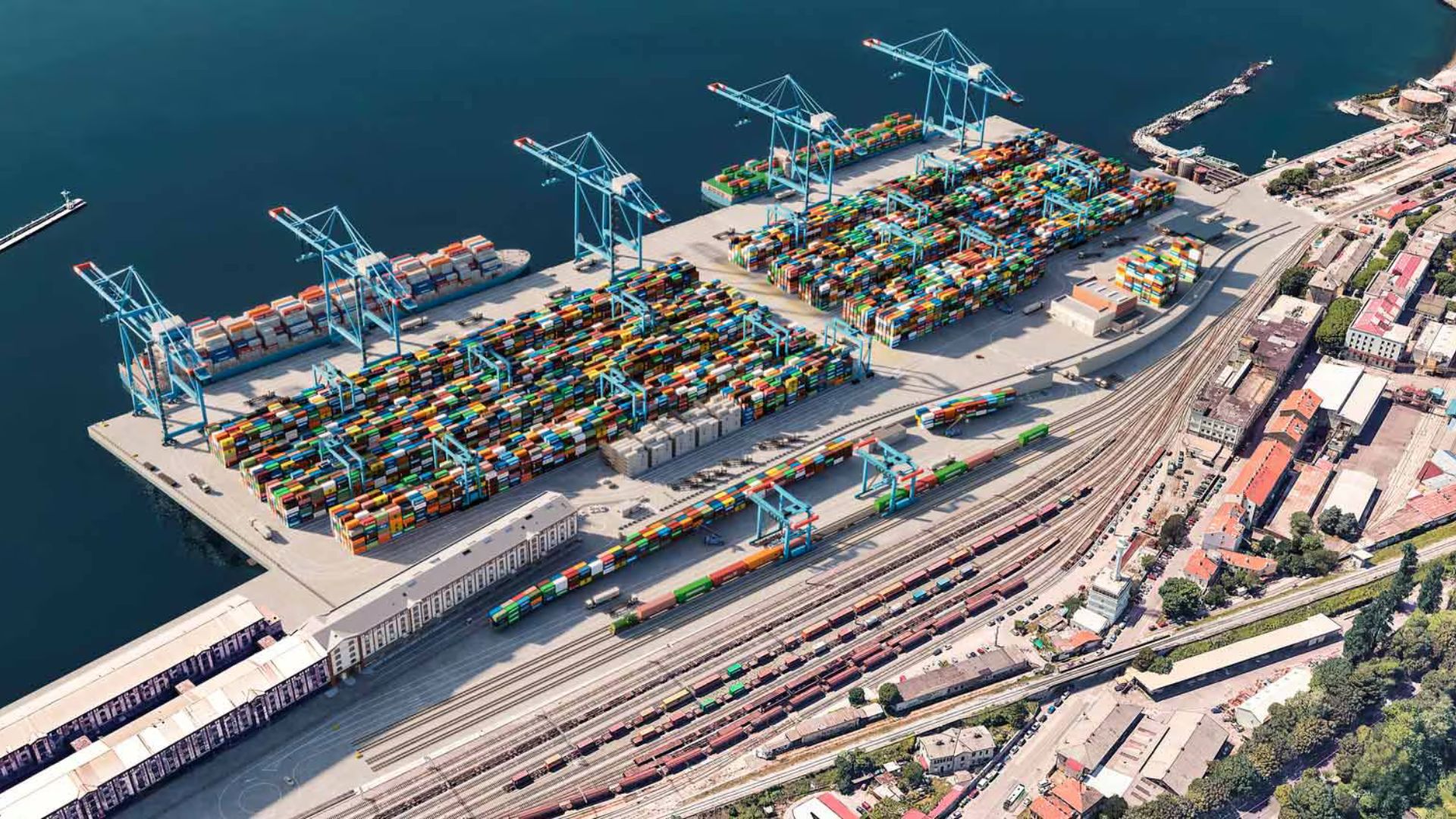
The opening of the Rijeka Gateway Container Terminal marked a significant moment for the city and the wider Croatian economy. The project brings advanced terminal technology and new capacity to the Port of Rijeka, strengthening its position on trade routes serving Central Europe.
According to APM Terminals’ Rijeka Gateway project information, the terminal’s first phase has an annual capacity of 650,000 TEU, with further expansion planned. The investment is expected to support jobs and activity across logistics, customs, legal, financial and professional services.
For a city of 120,000 people to host what is now described as one of the most advanced container terminals in Europe is not merely an infrastructure milestone. It is a signal about what kind of city Rijeka intends to become, and what kind of companies, professionals and supply chains will follow.
Innovation, universities and the knowledge economy
Rijeka’s growth is not limited to the port. The city’s entrepreneurial ecosystem includes the Startup Incubator Rijeka, while Step Ri Science and Technology Park supports research-driven and technology-oriented businesses connected to the university.
The City of Rijeka Development Plan 2021–2027 outlines priorities in digital infrastructure, education, entrepreneurship and urban development. This direction supports the city’s gradual transition from traditional industry towards knowledge-intensive and creative sectors.
For international professionals, the value lies in balance. Rijeka offers a more grounded and practical environment than many destination-led coastal markets, while its broader trajectory points towards stronger regional connectivity and opportunity.
Why living in Croatia appeals to remote workers
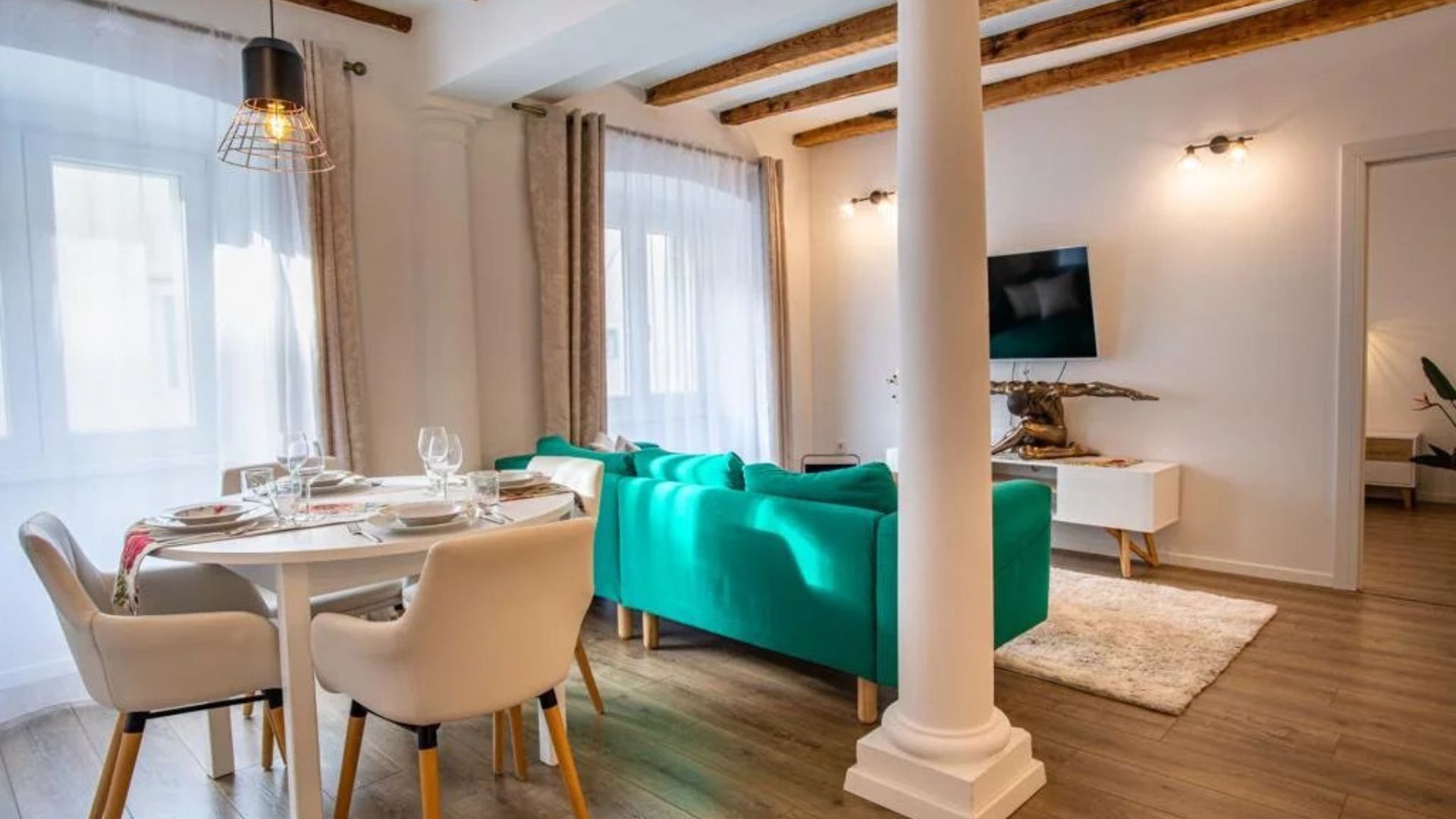
Croatia combines EU and Schengen membership with the euro, a Mediterranean setting and a level of daily safety that many remote workers value highly. For people relocating for several months rather than visiting briefly, these practical foundations matter as much as the coastline.
Safety and everyday ease
Safety is a recurring consideration for remote professionals, solo travellers and families. Croatia regularly performs well in international safety comparisons, including Numbeo’s country safety data, and residents often value the ease of everyday routines: walking home after dinner, using public spaces and moving between neighbourhoods without the pressure found in many larger European capitals.
This should not be understood as a reason to abandon normal precautions. Rather, it is a meaningful quality-of-life advantage for those assessing where to establish a longer-term European base.
For remote workers evaluating where to base themselves in Europe, Croatia’s safety profile is not a secondary consideration. It is one of the country’s most structurally differentiated advantages, and one that does not vary significantly by season or by which city you choose.
Healthcare and practical support
Croatia’s healthcare system operates within the EU regulatory framework. In Rijeka, KBC Rijeka serves as the principal clinical hospital centre for the Kvarner region and is linked to the University of Rijeka Faculty of Medicine. Private medical and dental practices in the city increasingly serve international residents in English.
For remote workers with the required private health insurance, the combination of public infrastructure and private care is an important practical consideration. It also reinforces Rijeka’s role as a city suited to longer stays, not only seasonal visits.
Croatia digital nomad visa requirements in 2026
Croatia introduced its digital nomad residence route in 2021 and has subsequently extended the maximum permitted stay to 18 months. The programme is intended for third-country nationals who work remotely for a foreign employer or their own company outside Croatia, without providing services to Croatian employers.
According to the Croatian Ministry of the Interior’s official guidance, the key Croatia digital nomad visa requirements include:
- a valid passport;
- health insurance covering Croatia for the intended period of stay;
- evidence of remote work for a foreign employer or a company not registered in Croatia;
- proof of sufficient financial means;
- a criminal-record certificate from the relevant country or countries of residence;
- an address in Croatia or an intended temporary address for the application process.
At the time of writing, the stated minimum monthly financial requirement is €3,622.50. Applicants may instead demonstrate sufficient funds for the intended stay. The official guidance also confirms that the required amount increases for each accompanying family member.
The application may be made online through the official digital nomad application portal, subject to the applicant’s visa status and circumstances. Because immigration rules, financial thresholds and documentary requirements can change, applicants should always confirm the current position with the competent authority before making travel or housing commitments.
EU, EEA and Swiss citizens do not need the digital nomad visa Croatia offers to third-country nationals. Their right to reside is regulated through EU freedom of movement, although registration obligations may apply for longer stays.
A considered move to Croatia
Can EU citizens use Croatia’s digital nomad residence route?
EU, EEA and Swiss citizens do not need this permit because they can reside in Croatia under freedom-of-movement rules. Non-EU citizens who work remotely for a foreign employer or company may apply for temporary stay as digital nomads if they meet the official criteria.
Is Rijeka good for remote work throughout the year?
Yes. Rijeka is a functioning city across all seasons. Unlike many tourism-focused destinations, its services, transport, restaurants and professional infrastructure do not depend solely on the summer season. Winters are mild by northern European standards, although the city is known for the bura, a strong north-easterly wind.
What is the cost of living in Croatia for a remote worker in Rijeka?
For a solo remote worker in Rijeka, an indicative monthly budget can range from approximately €1,100 to €1,600, depending primarily on accommodation and lifestyle. This includes a one-bedroom rental, utilities, groceries, local transport and everyday spending. Individual costs should be checked against current availability before relocating.
Is Croatia safe for solo female remote workers?
Croatia is widely regarded as a safe European destination and regularly ranks well in international safety comparisons. Solo travellers should still follow normal precautions, particularly when arriving in an unfamiliar neighbourhood or travelling late at night.
Can family members join a digital nomad visa holder in Croatia?
Yes. The Ministry of the Interior states that close family members may join a digital nomad who has been granted temporary stay, subject to the applicable family-reunification rules and financial requirements.
A practical coastal base for remote workers
The Croatia digital nomad visa offers eligible applicants a clear route to spend meaningful time in the country. Rijeka adds a different proposition: a connected Adriatic city with healthcare, professional infrastructure, relative affordability and a daily rhythm that extends well beyond the summer months.
For remote workers, internationally mobile families and buyers considering living in Croatia, Rijeka is a location worth assessing before choosing the more obvious coastal destinations.
September 11, 2026
Share
Related posts
-list_thumb.jpg)
Remington insights
Istria through a buyer's perspective: Rovinj, Poreč or inland Istria?
-list_thumb.jpg)
Remington insights
Travel & leisure
The Istrian lifestyle: Hilltop towns, olive groves and life by the Adriatic
-list_thumb.jpg)
Remington insights