All blogs
12.11.2026
Remington insights
Living on Krk Island: Coastal towns, local traditions and the Adriatic lifestyle
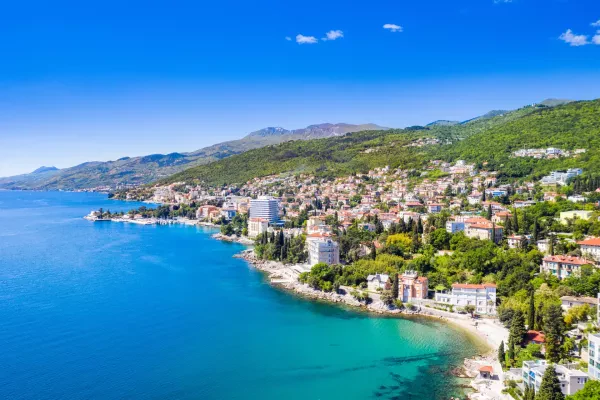
Krk Island attracts those who value coastal living, local character and a close relationship with the sea. Historic towns overlook sheltered bays. Olive groves and vineyards extend beyond traditional stone villages. Harbours, waterfront promenades and quiet beaches shape daily life.
The island rewards time and exploration. Its appeal extends beyond summer and its familiar coastal landmarks. It emerges through morning walks along the waterfront, lunch at a family-run konoba and evenings overlooking Kvarner Bay. Sailing, local markets and seasonal traditions add further depth to the experience.
Krk Town, Malinska, Punat, Vrbnik and Baška each offer a different rhythm. Some are defined by historic architecture and lively harbours. Others appeal through natural landscapes, established residential neighbourhoods or a quieter connection with island traditions.
Accessibility adds an important practical advantage. The Krk Bridge connects the island directly to mainland Croatia, while Rijeka Airport is located near Omišalj. This combination makes Krk suitable for year-round living, extended second-home stays and regular visits from abroad.
For international buyers exploring real estate, the island offers more than an attractive coastal setting. Its different communities provide opportunities to find a lifestyle that reflects individual priorities and everyday habits.
The places that define Krk Island
Krk Town: History and everyday Mediterranean life
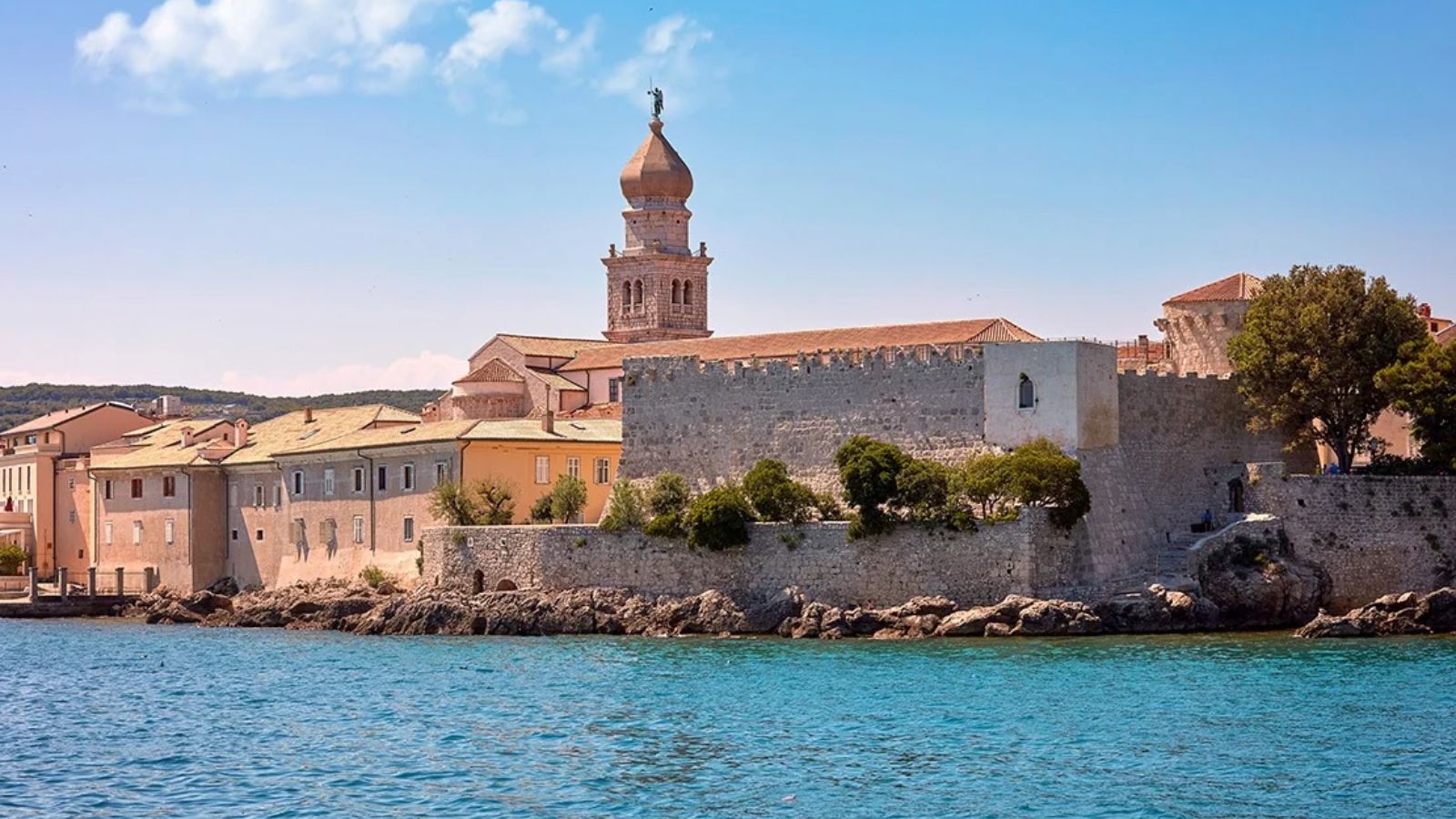
Krk Town combines historic character with the practical amenities of an established island centre.
Its old town is defined by narrow stone streets, small squares and centuries of architectural heritage. The Frankopan Castle and Krk Cathedral remain among its most recognisable landmarks. Historic buildings stand alongside cafés, restaurants and local shops.
The harbour provides a natural meeting place. Morning activity unfolds around the waterfront, while restaurants and terraces become livelier towards evening. During summer, concerts and cultural programmes bring additional energy to the historic centre.
Krk also offers practical advantages for longer stays. Shops, healthcare services and other everyday amenities are concentrated within the town and its surrounding neighbourhoods.
Residential areas outside the historic centre provide a different atmosphere. Contemporary apartments and private homes offer alternatives to the older properties found within the town walls.
For those who appreciate a walkable environment, cultural life and convenient access to services, Krk Town is a natural starting point.
Malinska: Coastal promenades and relaxed island living
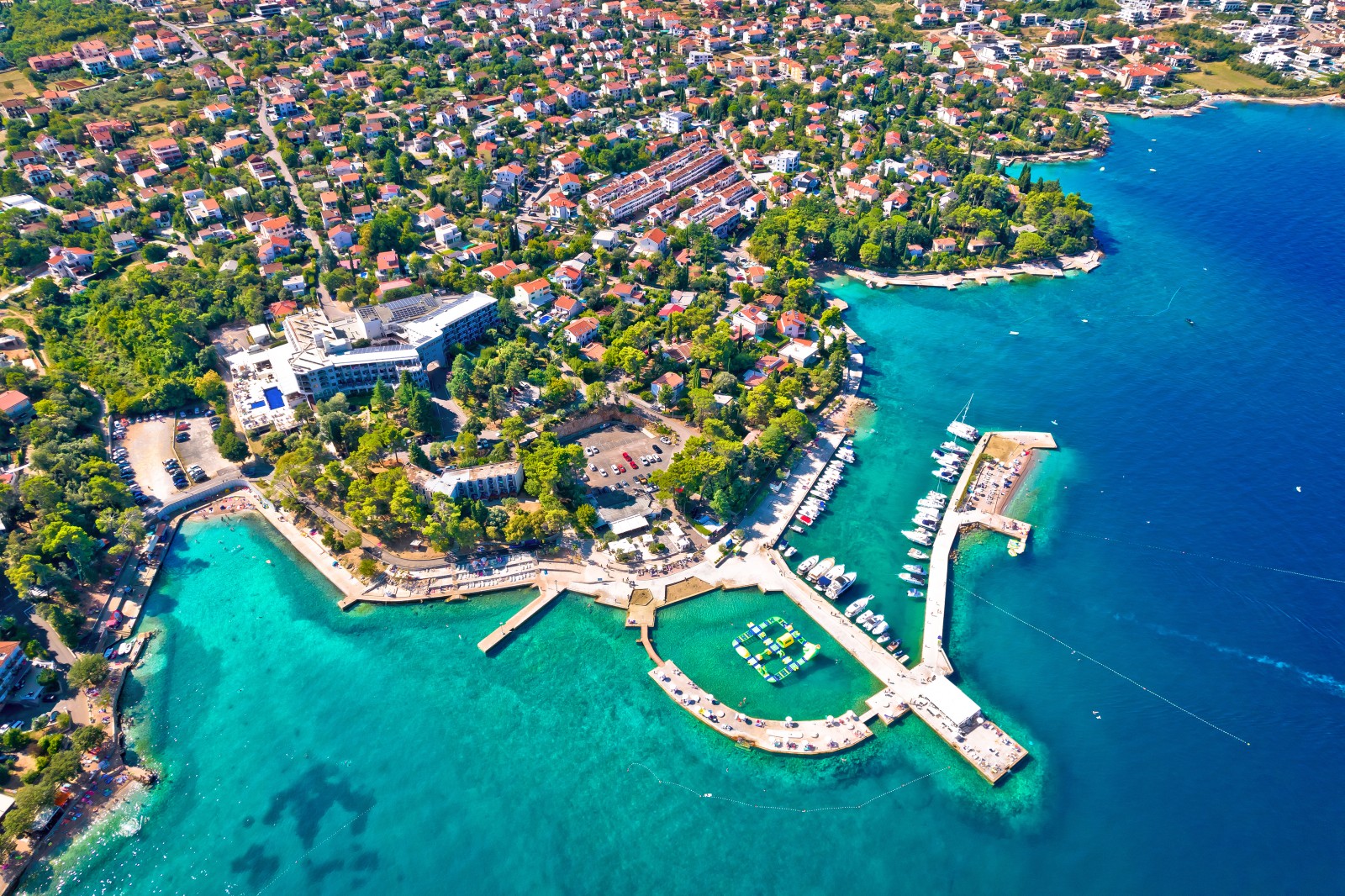
On the western coast, Malinska offers a lifestyle closely connected to the waterfront.
Sheltered bays, pine trees and coastal promenades define its character. Walking paths connect beaches, small harbours and restaurants, while the open outlook across Kvarner Bay gives the area a distinctive sense of space.
Daily life often centres around the sea. Morning walks, swimming and outdoor dining form part of the local rhythm during the warmer months.
Beyond the main waterfront, established residential neighbourhoods provide quieter surroundings. Nearby Vantačići, Porat and Sveti Anton offer further alternatives for those seeking privacy without losing convenient access to Malinska.
The western coastline is also known for its sunsets. As the evening light changes over Kvarner Bay, the surrounding terraces and promenades become natural places to gather.
Malinska offers a balance between an informal coastal atmosphere and comfortable residential living. Its combination of established neighbourhoods and accessible amenities makes it particularly interesting for extended stays.
Punat: A lifestyle shaped by sailing
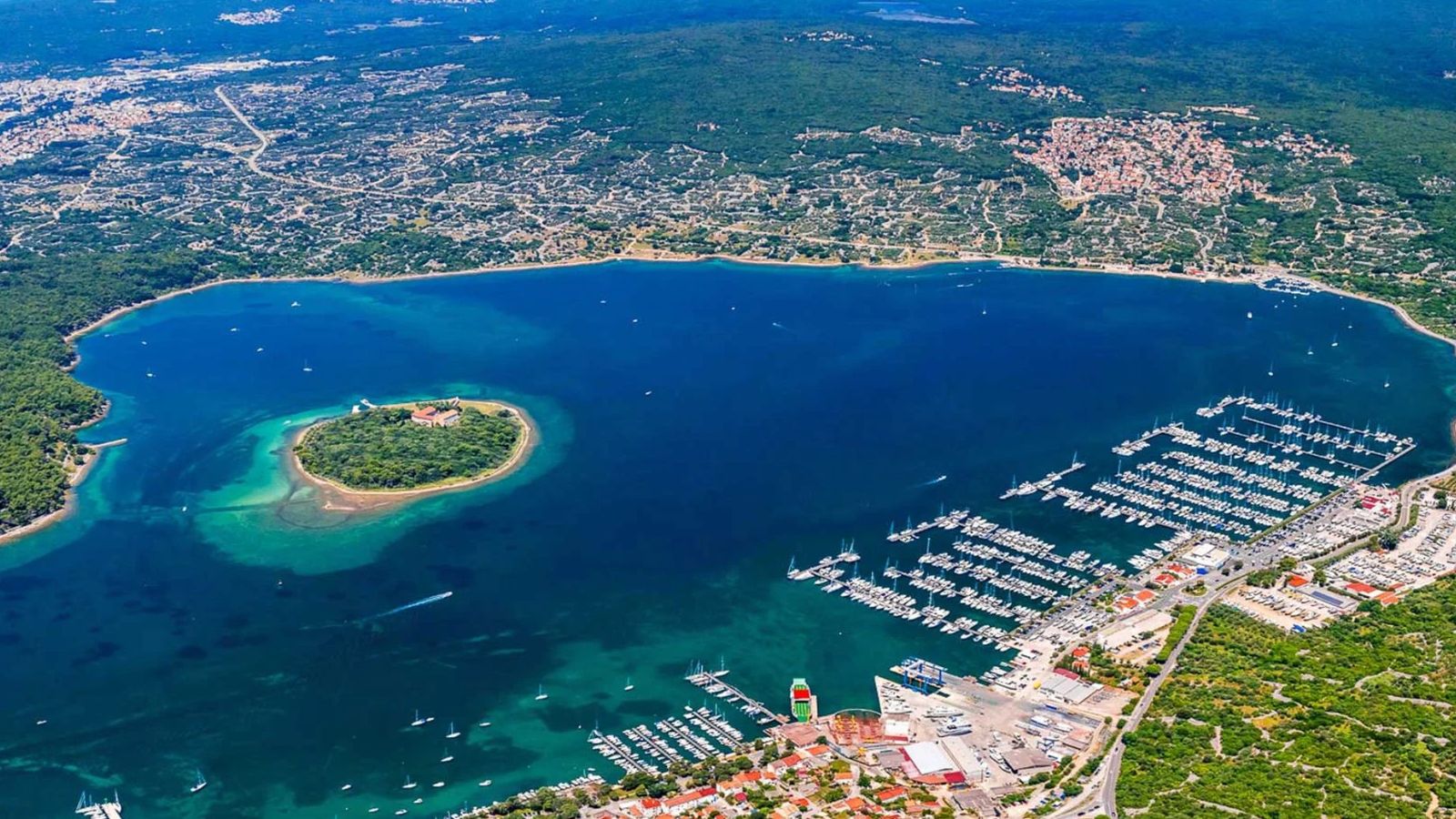
Punat has a strong connection with the sea, shaped by its sheltered bay and longstanding maritime traditions.
The town is home to Marina Punat, one of Croatia's best-known nautical centres. Its presence has helped establish Punat as an important destination for sailing enthusiasts and boat owners.
Yet the town's identity extends beyond the marina.
Its waterfront promenade, traditional houses and surrounding olive groves preserve a close relationship with the island's maritime and agricultural heritage.
Across the bay lies Košljun, a small wooded island with a Franciscan monastery. Its position within the sheltered waters of Puntarska Draga creates one of Punat's most distinctive views.
Olive cultivation remains part of local life. Seasonal harvesting traditions and gastronomic events celebrate the importance of olive oil in island cuisine.
Punat appeals to those who enjoy time on the water while appreciating the atmosphere of a traditional coastal community. Its sheltered setting and established nautical culture give it a character distinct from the island's larger towns.
Vrbnik: Wine, stone architecture and local heritage
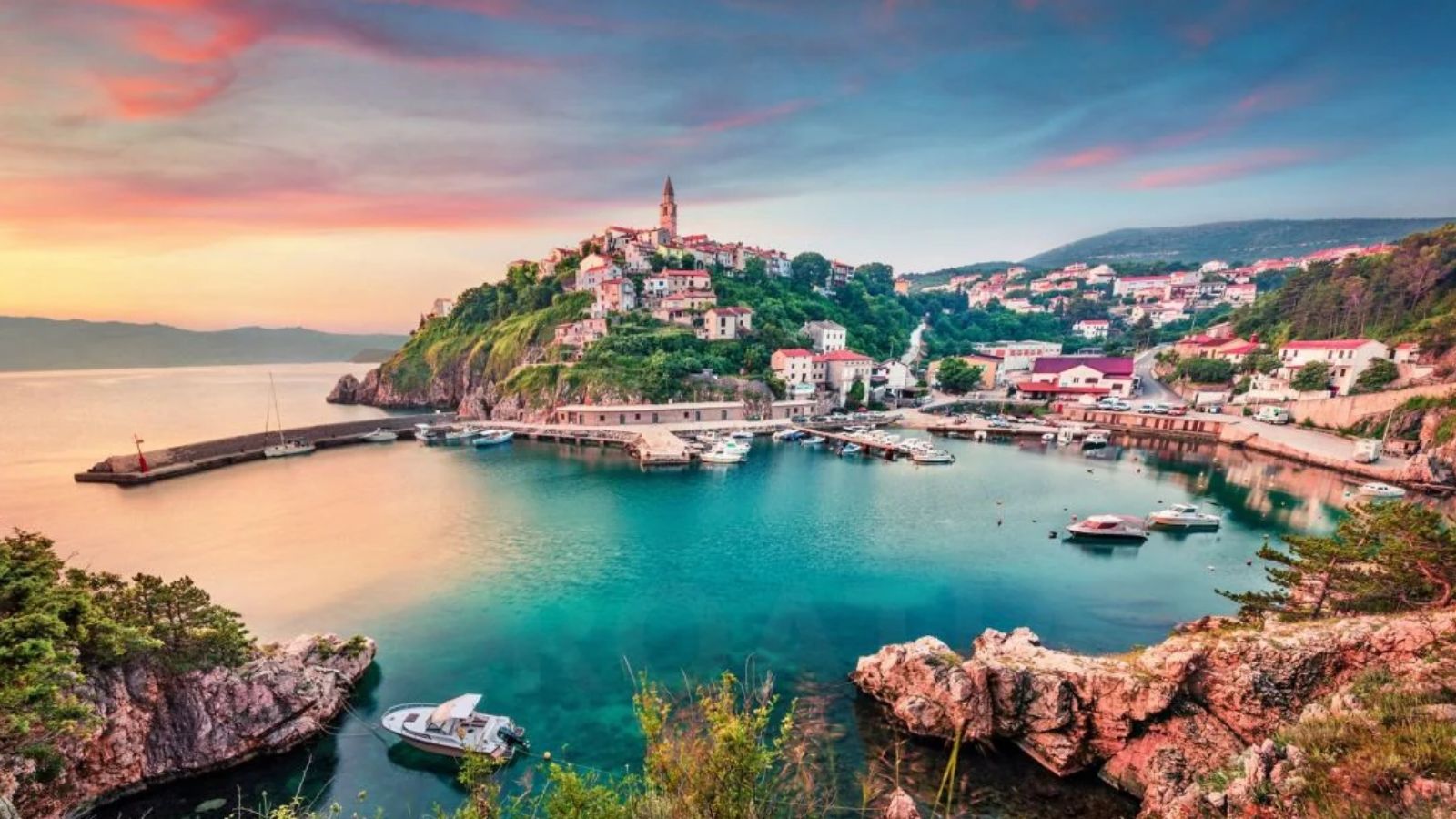
Perched on a cliff above the eastern coastline, Vrbnik offers one of the island's most distinctive historic settings.
Narrow stone streets wind between traditional houses, while small passages lead towards viewpoints overlooking the Adriatic. The town has preserved much of its architectural character, creating an atmosphere closely connected to its past.
Wine is central to Vrbnik's identity.
The nearby vineyards are associated with Žlahtina, an indigenous white grape variety closely connected to the island's winemaking traditions. Local wineries and traditional taverns offer opportunities to discover regional wines and cuisine.
Away from the busiest summer months, Vrbnik reveals a quieter rhythm. Its historic streets, surrounding vineyards and local traditions remain central to everyday life.
For buyers who value architectural heritage and a more intimate Mediterranean environment, Vrbnik offers an interesting alternative to larger coastal destinations.
Baška: Beaches, mountains and an active outdoor lifestyle
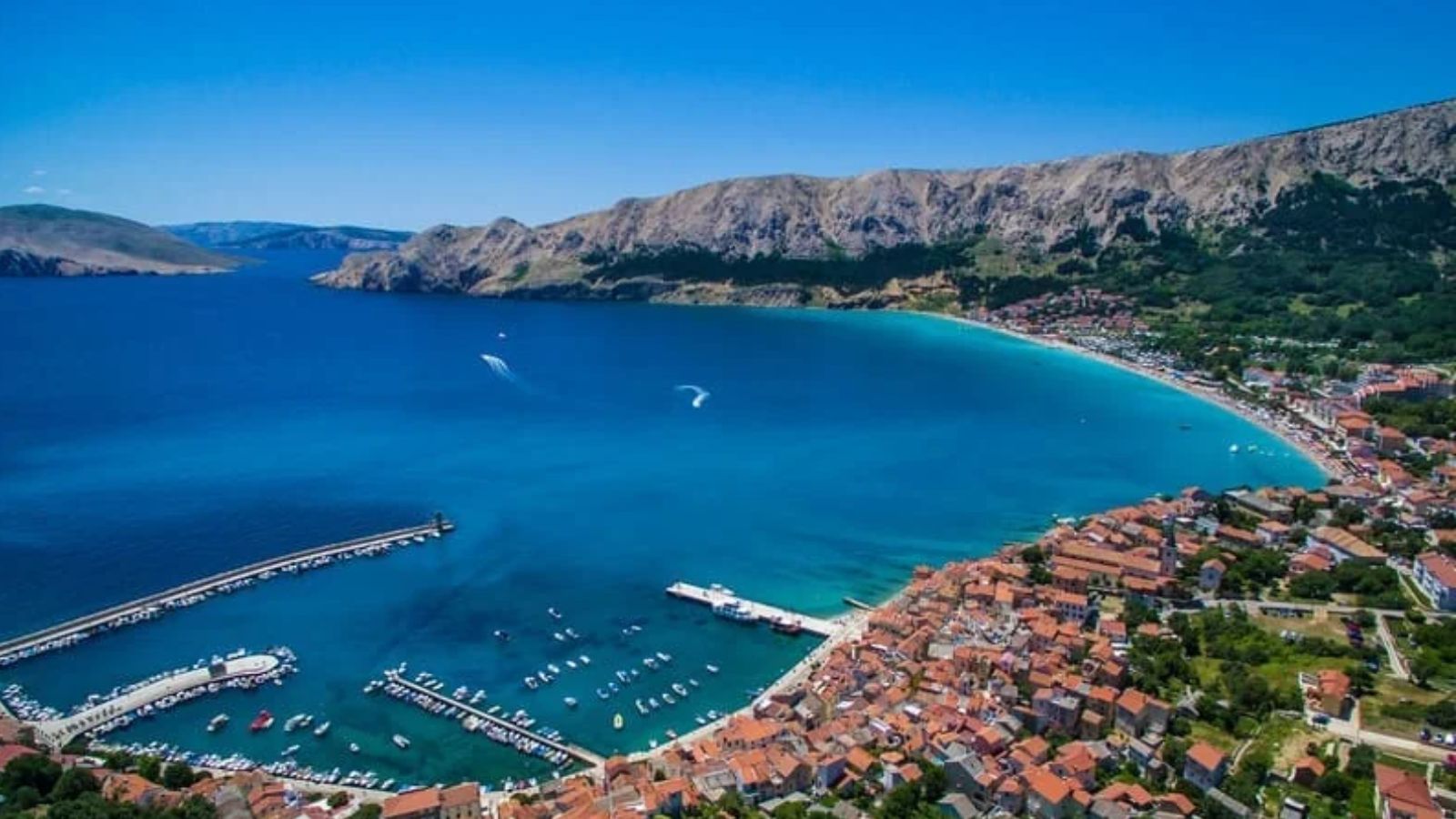
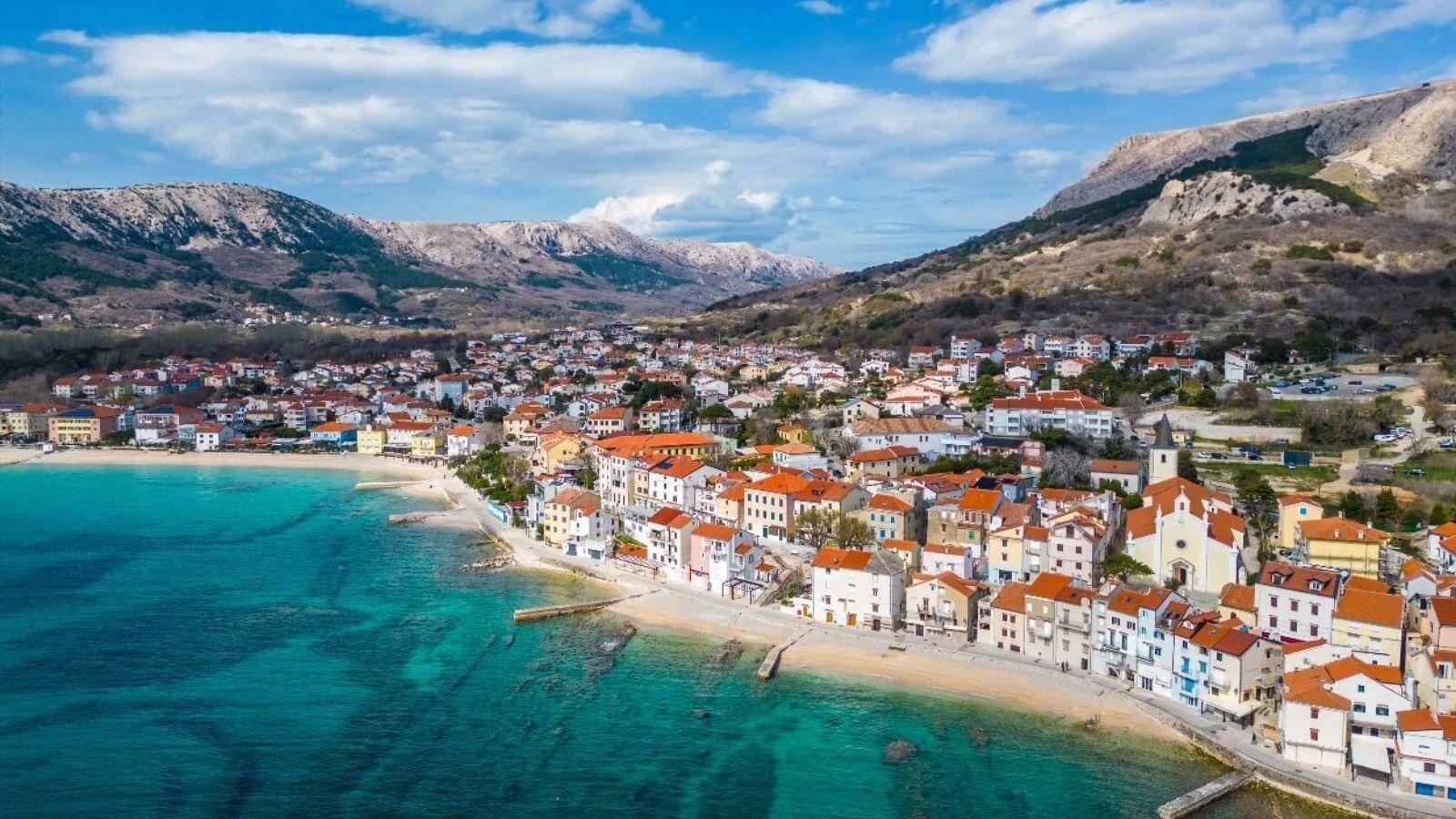
At the southern end of Krk, Baška is defined by its dramatic natural setting.
A long pebble beach stretches along the bay, surrounded by rugged hills and rocky landscapes. The contrast between the mountains and the Adriatic gives the area its distinctive appearance.
The sea plays an important role in local life, but Baška offers considerably more than swimming.
Walking and cycling routes extend through the surrounding hills, providing opportunities to explore panoramic viewpoints and quieter parts of the island.
The nearby village of Jurandvor adds an important cultural dimension. Its Church of St. Lucy is associated with the Baška Tablet, a significant monument of early Croatian written heritage.
During summer, Baška becomes one of the island's liveliest destinations. The beach, promenade and restaurants attract visitors from across Europe.
Outside the main season, the atmosphere changes considerably. The surrounding landscape becomes particularly attractive for walking, cycling and quieter stays.
Baška appeals to those who enjoy nature, outdoor activities and a strong connection with the coastline. For year-round living, its seasonal character and distance from larger island centres deserve consideration.
Omišalj, Njivice and the quieter island villages
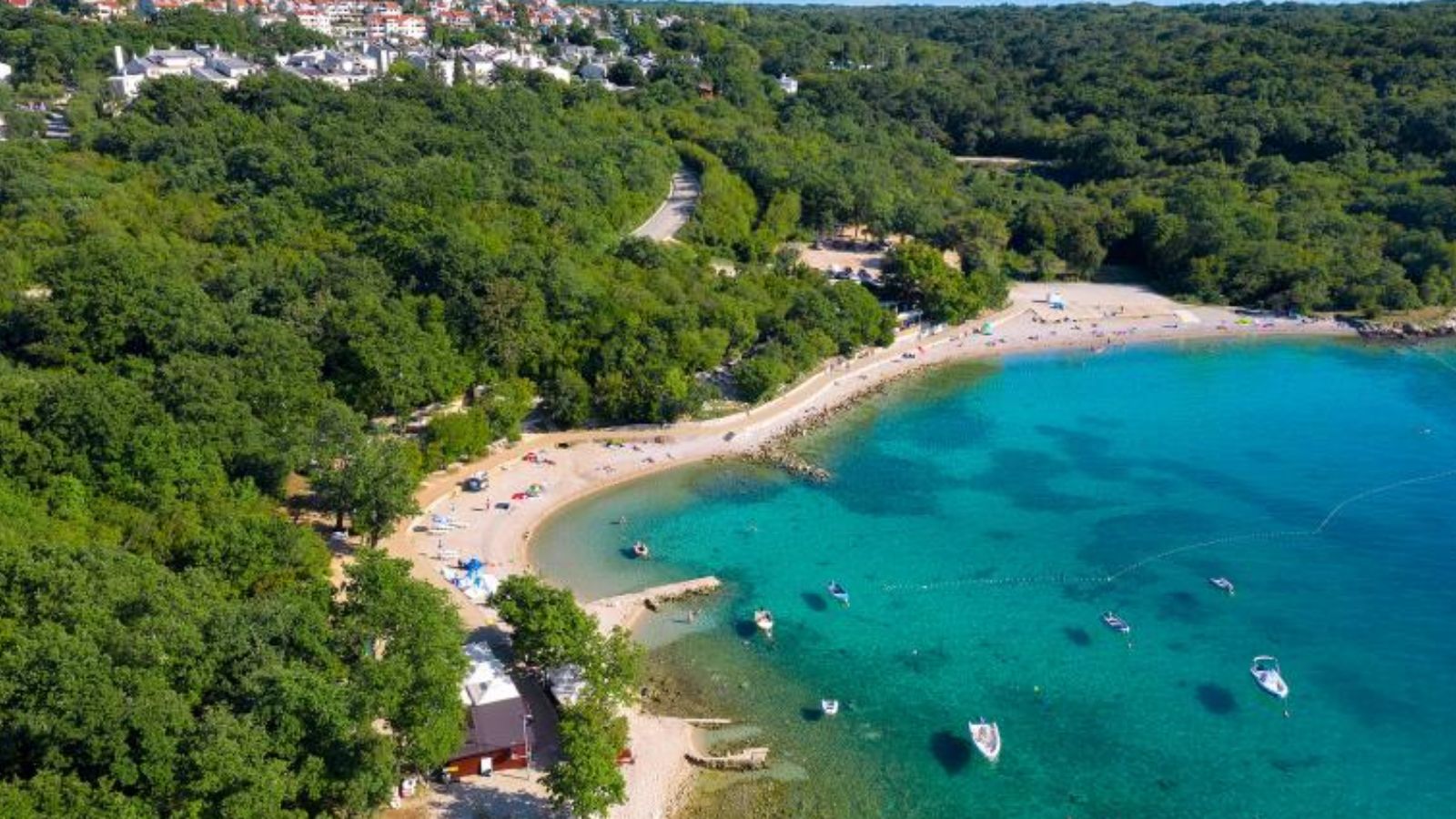
Krk's smaller settlements reveal another side of island life.
Omišalj, situated in the north, has a historic centre positioned above the coastline. Its narrow streets and traditional architecture reflect the island's long history.
Its proximity to the Krk Bridge and Rijeka Airport is a practical advantage for those who travel frequently.
Nearby Njivice offers a more relaxed waterfront setting. Pine-lined promenades, beaches and restaurants contribute to its coastal atmosphere.
Further east, Šilo and the surrounding Dobrinj area retain a traditional character. Small harbours, local villages and quieter neighbourhoods provide alternatives to the island's busier destinations.
Inland settlements offer another experience. Stone houses, olive groves and rural landscapes create a closer relationship with the island's agricultural heritage.
For those exploring the best places to live on Krk Island, these smaller communities deserve attention. They may offer greater privacy and quieter surroundings while remaining within driving distance of larger towns.
Marinas and nautical life on Krk Island
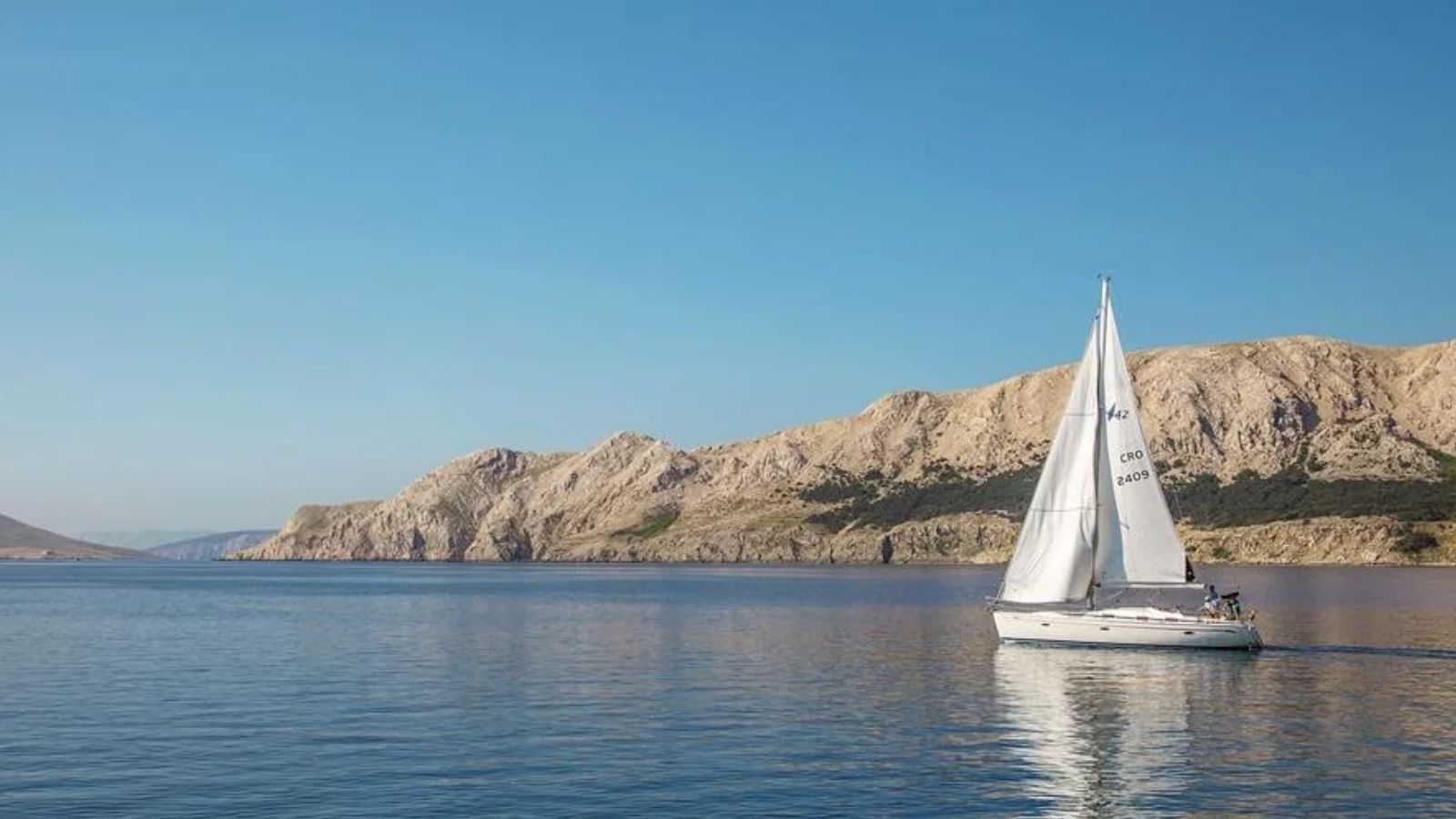
Sailing around Krk Island
The sea is central to Krk's identity, influencing its culture, economy and everyday lifestyle.
The island's position in Kvarner Bay makes it a practical base for exploring the northern Adriatic. Sheltered bays, neighbouring islands and established nautical infrastructure create varied opportunities for recreational sailing.
Marina Punat is the island's principal nautical centre. It provides wet and dry berthing, technical support and maintenance services for recreational vessels.
From Krk, boat owners can explore the neighbouring islands of Cres, Rab and Lošinj, along with numerous bays and smaller coastal destinations.
Other harbours and mooring facilities are found in several settlements, although their infrastructure and suitability vary.
For many property owners, sailing becomes part of a regular routine rather than an occasional summer activity. The possibility of exploring nearby islands by boat adds another dimension to life on Krk.
Nautical conditions change throughout the year. Local winds, particularly the bora, require attention when planning activities on the water.
For buyers whose lifestyle centres around sailing, proximity to a suitable marina may influence their choice of residential location. Berth availability and maintenance arrangements should be verified independently of the property purchase.
Gastronomy: Krk through its local flavours
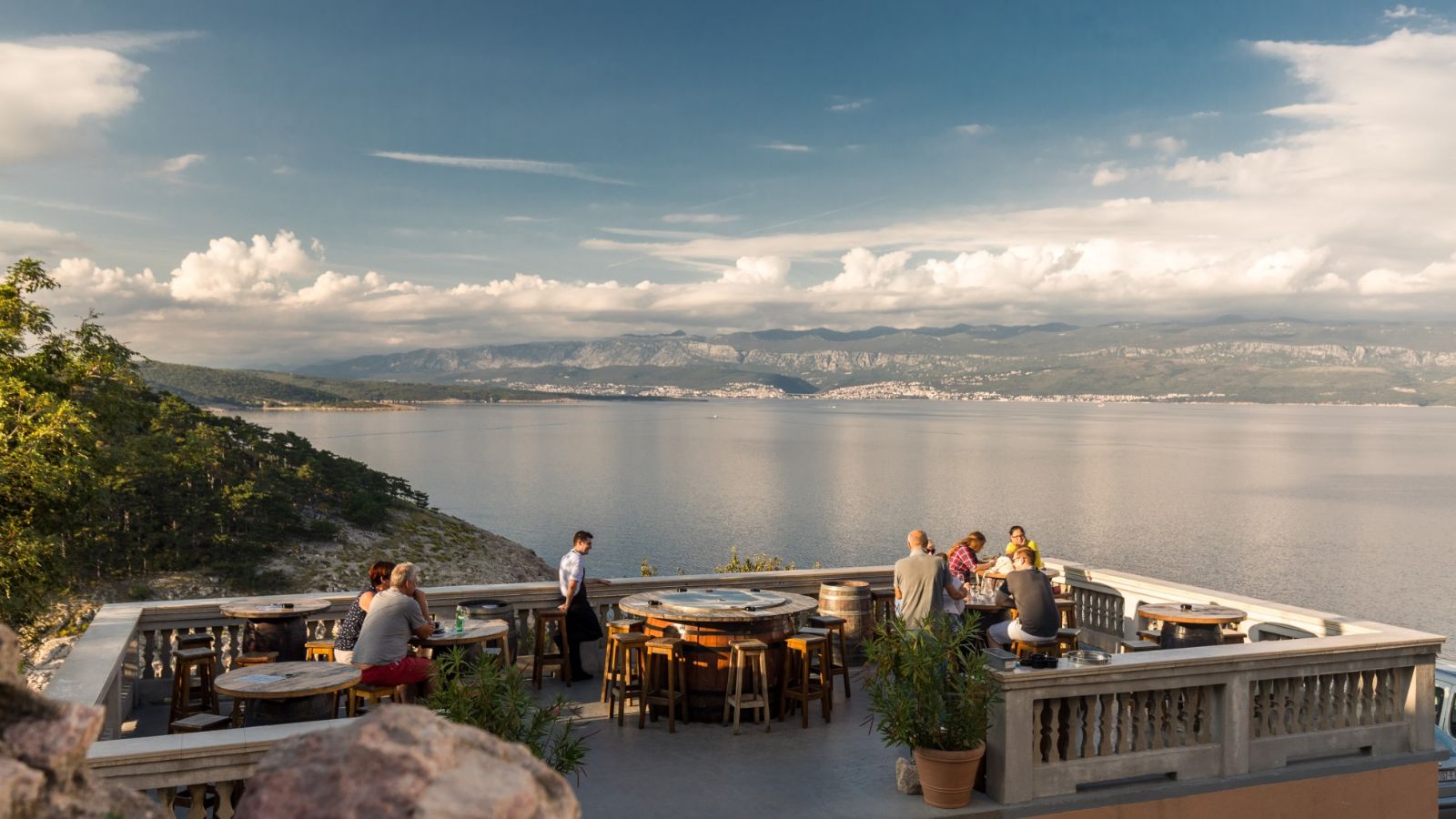
Konoba Nada
Krk's culinary identity reflects its relationship with the sea and the surrounding agricultural landscape.
Fresh fish, Kvarner scampi, lamb, sheep's milk cheese and olive oil remain important elements of local cuisine. Seasonal vegetables and traditional pasta dishes complete the island's gastronomic character.
One of its best-known specialities is šurlice, handmade pasta traditionally associated with family gatherings and celebrations.
Krk lamb is another established regional product, while locally produced olive oil reflects the island's longstanding agricultural traditions.
Vrbnik adds a strong winemaking identity through Žlahtina. Its vineyards, wine cellars and traditional taverns offer a direct connection with local production.
The restaurant scene combines family-run konobas with more contemporary dining experiences.
In Vrbnik, Konoba Nada is associated with traditional cuisine and local wines. Rivica in Njivice is another established gastronomic address, known for seafood and Mediterranean cooking.
Krk Town, Malinska and Punat offer further choices, particularly during the warmer months.
For residents spending extended periods on the island, gastronomy becomes part of the everyday experience. Shopping for local produce, visiting wineries and returning to familiar restaurants help establish a closer connection with the community.
Cultural events and traditions throughout the year
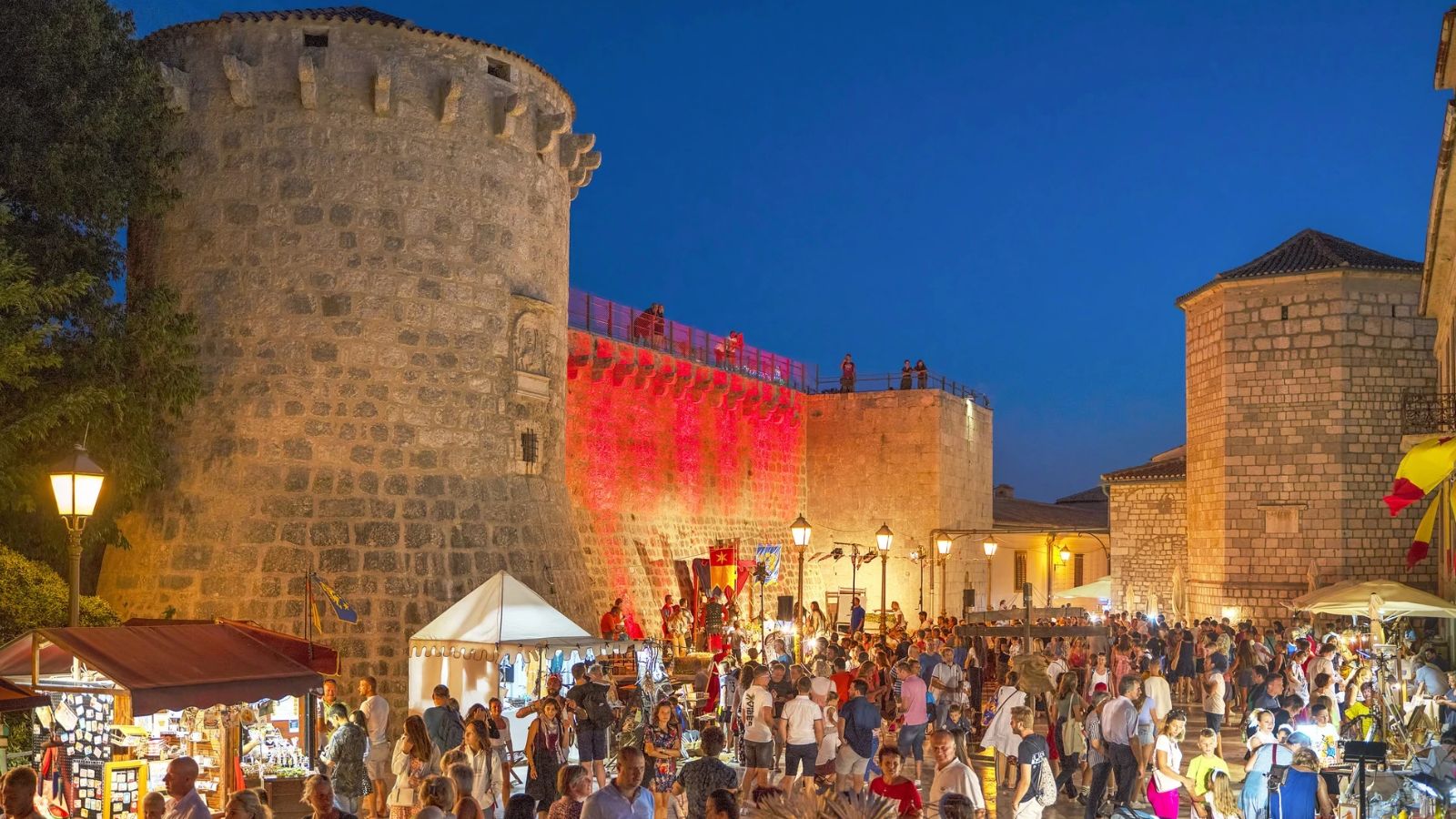
Krk's cultural calendar reflects the island's history, maritime traditions and agricultural heritage.
Summer brings concerts, exhibitions, local festivals and outdoor performances. Historic squares and waterfront settings become natural venues for cultural gatherings.
One of the island's most recognisable events is Lovrečeva, the Krk Fair, traditionally celebrated in August.
Its origins reach back to the Middle Ages. Today, the event brings historical performances, traditional crafts, music and local gastronomy to Krk Town.
Vrbnik celebrates its winemaking heritage through wine-related events, while Punat's Olive Days highlight the importance of olive cultivation.
In Baška, Fishermen's Day reflects the town's maritime traditions. Malinska and Njivice also host seasonal cultural and gastronomic programmes.
Spring and autumn offer opportunities to experience a different side of the island. Outdoor activities, cycling events and local celebrations take place beyond the busiest tourist months.
Winter is quieter, although Advent programmes and community events continue in several settlements.
The official Krk Island events calendar provides information about upcoming festivals, concerts and cultural programmes.
For international property owners, these events offer a way to engage with local traditions and experience the island beyond its summer identity.
Life on Krk beyond the summer season
Krk changes noticeably throughout the year, and each season offers a different experience.
Spring brings milder weather and quieter coastal surroundings. Walking routes, village roads and outdoor terraces gradually become more active.
Summer centres around the sea. Swimming, sailing, outdoor dining and cultural events define the busiest months, particularly in the main coastal destinations.
Autumn offers a slower rhythm. Olive harvesting, wine traditions and seasonal produce reconnect the island with its agricultural heritage.
Winter reveals its quieter residential character. Some restaurants and seasonal businesses close, while larger towns continue to provide essential services.
Krk Bridge and Rijeka Airport: Island living without isolation
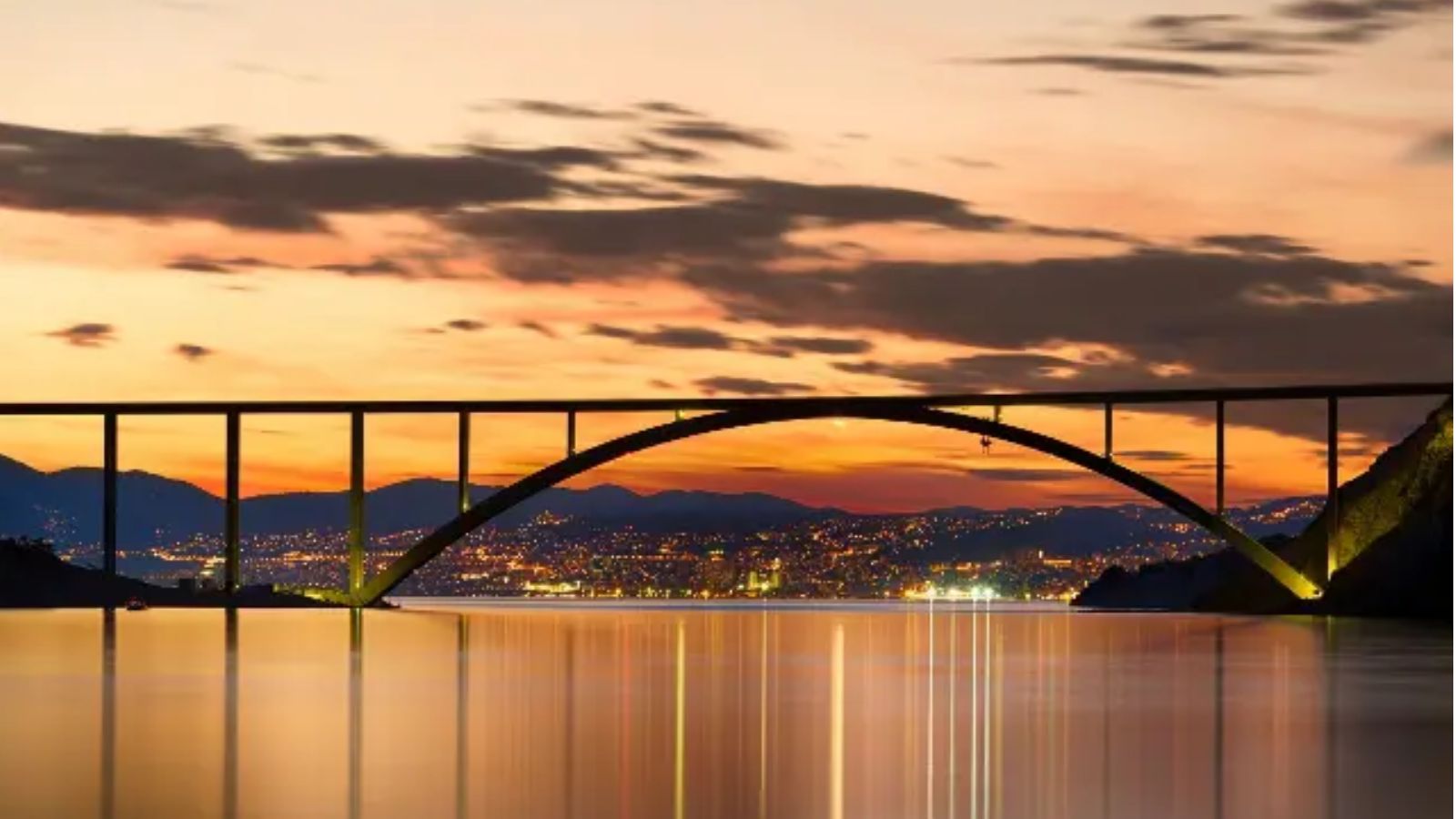
Accessibility is one of Krk's most important advantages.
The Krk Bridge connects the island directly to mainland Croatia. Residents can reach Rijeka, Istria, Zagreb and neighbouring European countries without depending on ferry schedules.
Rijeka Airport is located on the island near Omišalj. It provides international flight connections, although destinations and frequencies vary according to the season.
The city of Rijeka is also within driving distance, offering a wider selection of healthcare facilities, shopping, education and business services.
For buyers who work remotely, travel frequently or divide their time between countries, these connections carry considerable value.
They make spontaneous visits and longer stays easier to organise while allowing Krk to retain its distinctive island atmosphere.
Why Krk appeals to international property buyers
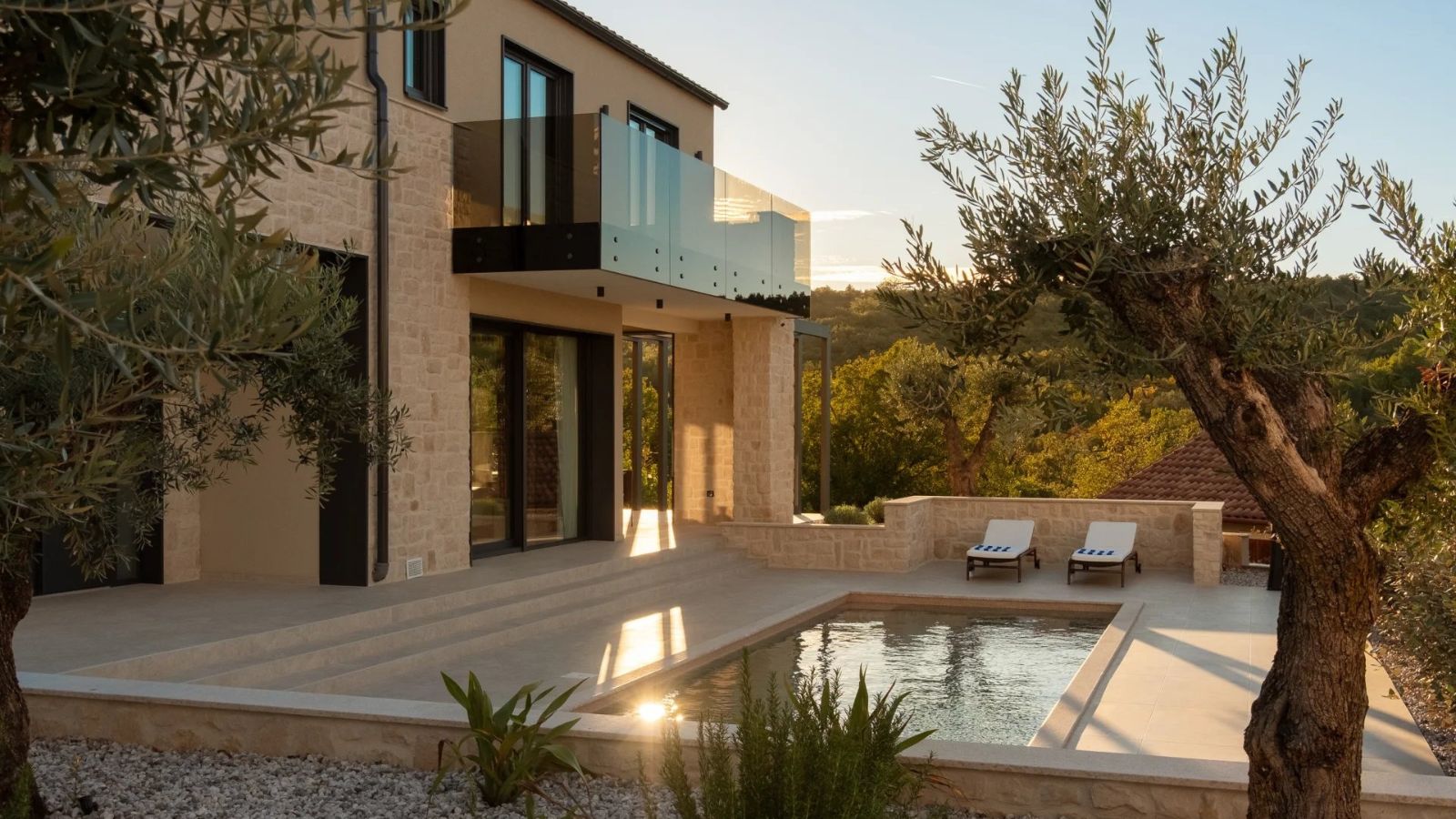
A refined expression of Mediterranean living: villa with pool, just 200 m from the sea - Krk Island
Many buyers begin their search for a Croatian island property with a familiar image of the Adriatic. They imagine sea views, quiet beaches and summer evenings spent outdoors.
After spending time on Krk, their priorities often become more nuanced.
Proximity to the sea remains important, but buyers also consider privacy, construction quality, year-round amenities and the atmosphere of the surrounding neighbourhood.
The choice between a coastal property and a quieter inland location can significantly influence everyday life.
Waterfront addresses provide immediate access to beaches, promenades and restaurants. They can also experience greater seasonal activity, traffic and demand for parking.
Residential areas farther from the coast may offer more privacy, larger outdoor spaces and a quieter environment. However, distance from essential services becomes a more important consideration.
Krk's property market includes contemporary apartments, traditional stone houses and modern villas. For those exploring Krk property for sale, the variety of locations and architectural styles provides opportunities to find a home suited to different lifestyles.
Buyers interested in luxury villas are often drawn to contemporary design, private outdoor spaces and sea views. Yet the quality of a property cannot be assessed through architecture alone.
Legal documentation, construction standards, maintenance requirements and accessibility throughout the year remain essential considerations.
The decision is ultimately shaped by how the property will be used.
Some buyers prefer the convenience of Krk Town or Malinska. Others value the sailing culture of Punat, the historic atmosphere of Vrbnik or the natural surroundings of Baška.
For those considering a second home, the strongest choice reflects actual habits rather than an idealised holiday routine.
Understanding how a location functions during November can be just as important as experiencing it in August.
“Krk offers an interesting combination of island character and accessibility, which is particularly relevant for international buyers.
However, the experience of living here can differ significantly between locations. Some clients value walking distance to restaurants and the waterfront, while others prioritise privacy, a quieter environment or proximity to a marina.
Understanding how a property and its surroundings function throughout the year is an important part of the buying process. The right location should reflect how clients intend to use their home, both during summer and in the years ahead.”
- Ivan Kovačić, Managing Director, Remington Real Estate | Christie’s International Real Estate Croatia
Krk island: a closer look at everyday living
Is Krk Island suitable for year-round living?
Yes. Krk has established infrastructure, including supermarkets, schools, healthcare services and local businesses. Larger towns provide essential amenities throughout the year, although restaurants and tourism-related services may operate seasonally.
Which are the best places to live on Krk Island?
The right location depends on individual priorities. Krk Town offers historic character and everyday convenience. Malinska is known for its relaxed coastal atmosphere, while Punat appeals to sailing enthusiasts. Vrbnik provides traditional architecture and wine culture, and Baška is particularly attractive to those who enjoy nature and outdoor activities.
Can you reach Krk Island without taking a ferry?
Yes. The Krk Bridge connects the island directly to mainland Croatia. Rijeka Airport is also located on the island, near Omišalj, providing an additional travel option for international visitors.
Are there marinas on Krk Island?
Yes. Marina Punat is the island's principal nautical centre, offering berthing, maintenance and related services. Smaller harbours and mooring facilities are available in other coastal settlements. Boat owners should verify berth availability and suitability for their vessel.
What is Krk Island like outside summer?
The island becomes noticeably quieter, particularly in smaller coastal destinations. Larger towns continue to provide essential services and community life. Spring and autumn are particularly suitable for outdoor activities, while winter offers a calmer atmosphere and fewer seasonal businesses.
Is Krk Island a good location for a second home?
Krk's bridge connection, airport and established amenities make it a practical option for international buyers. Its different coastal and inland communities also provide a broad choice of residential environments. The ideal property depends on individual lifestyle preferences and how frequently the home will be used.
Krk Island: A Mediterranean lifestyle with lasting appeal
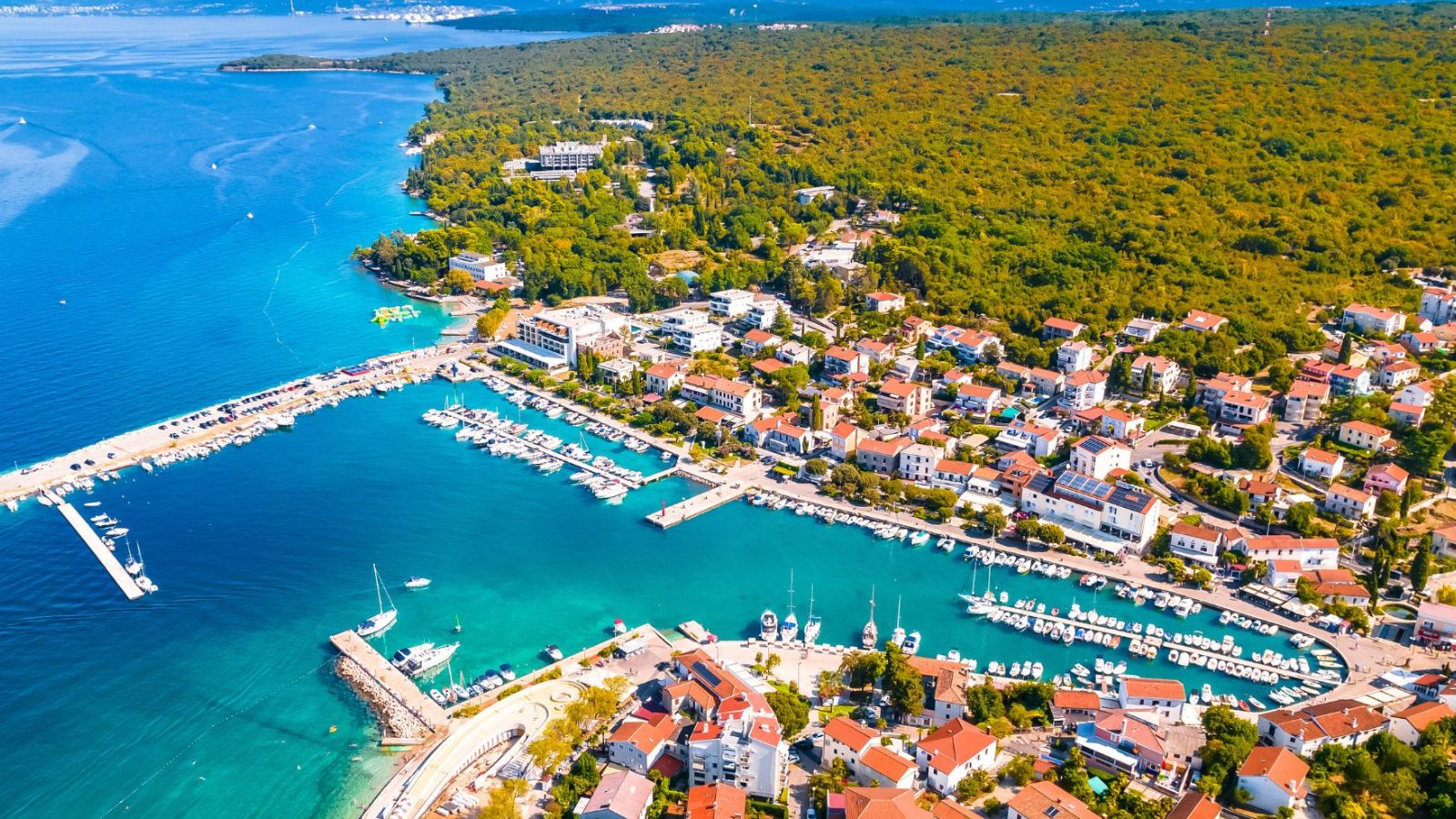
Krk offers a varied interpretation of Mediterranean living. Historic towns, sheltered bays, vineyards and traditional villages shape an island with a strong sense of identity.
Its appeal rarely depends on one location or one season. It emerges through everyday experiences, local traditions and the opportunity to discover different sides of island life.
The bridge connection and airport add practical value, making regular visits and extended stays easier to organise.
For international buyers exploring Krk Croatia real estate, this balance between local character and accessibility deserves consideration.
Ultimately, living on Krk Island is about more than proximity to the Adriatic. It offers the opportunity to become familiar with a community, establish everyday routines and enjoy a Mediterranean lifestyle that extends beyond the summer months.
November 12, 2026
Share